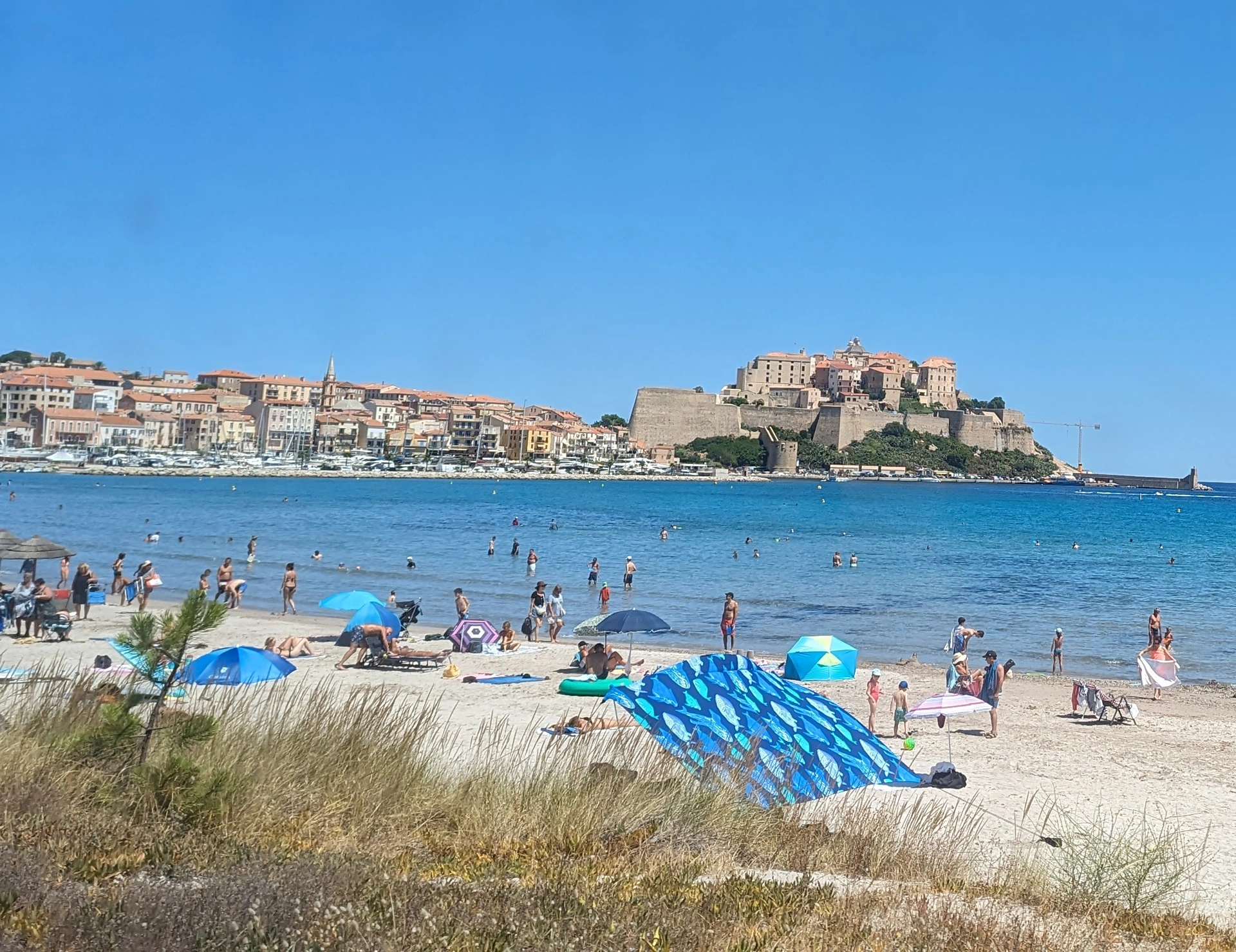
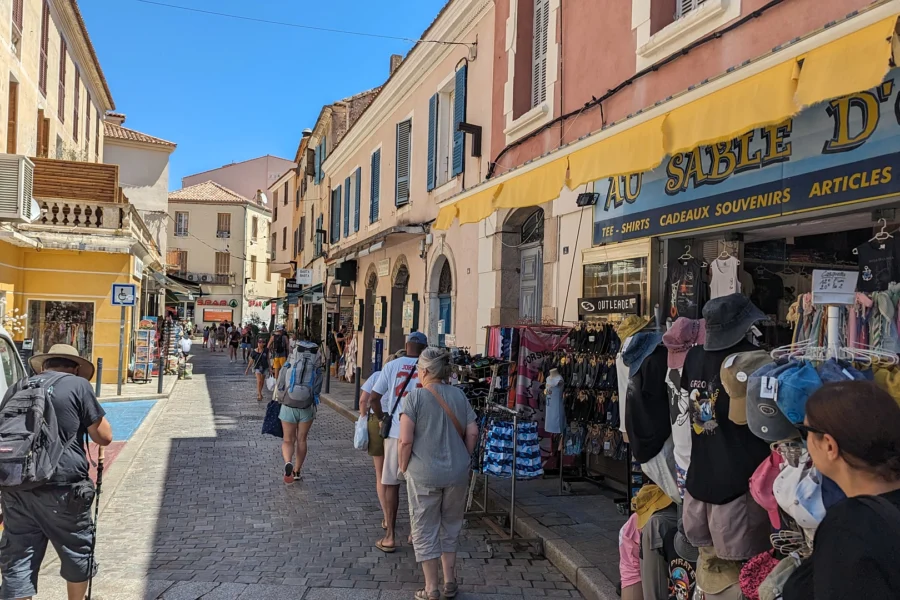
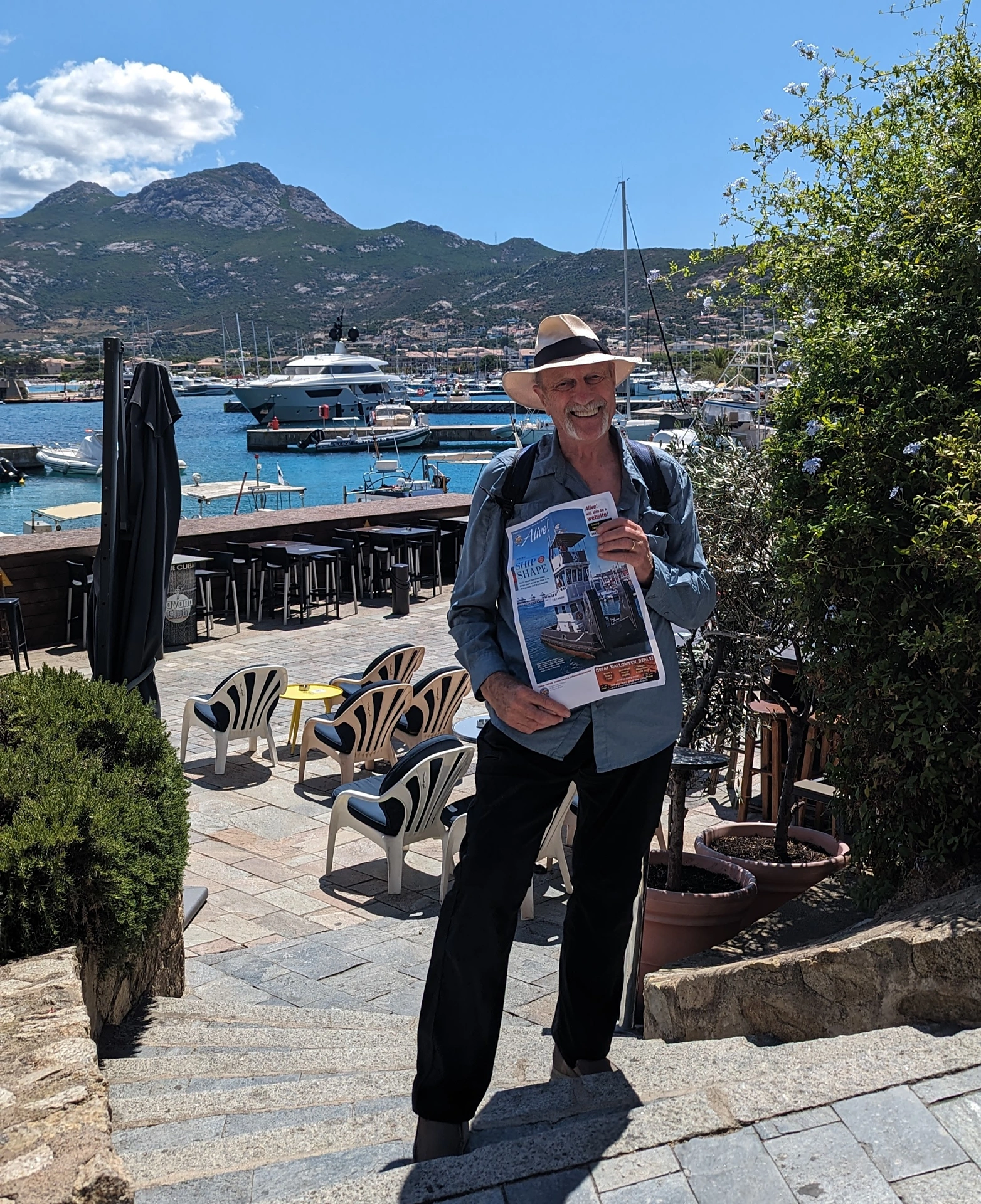
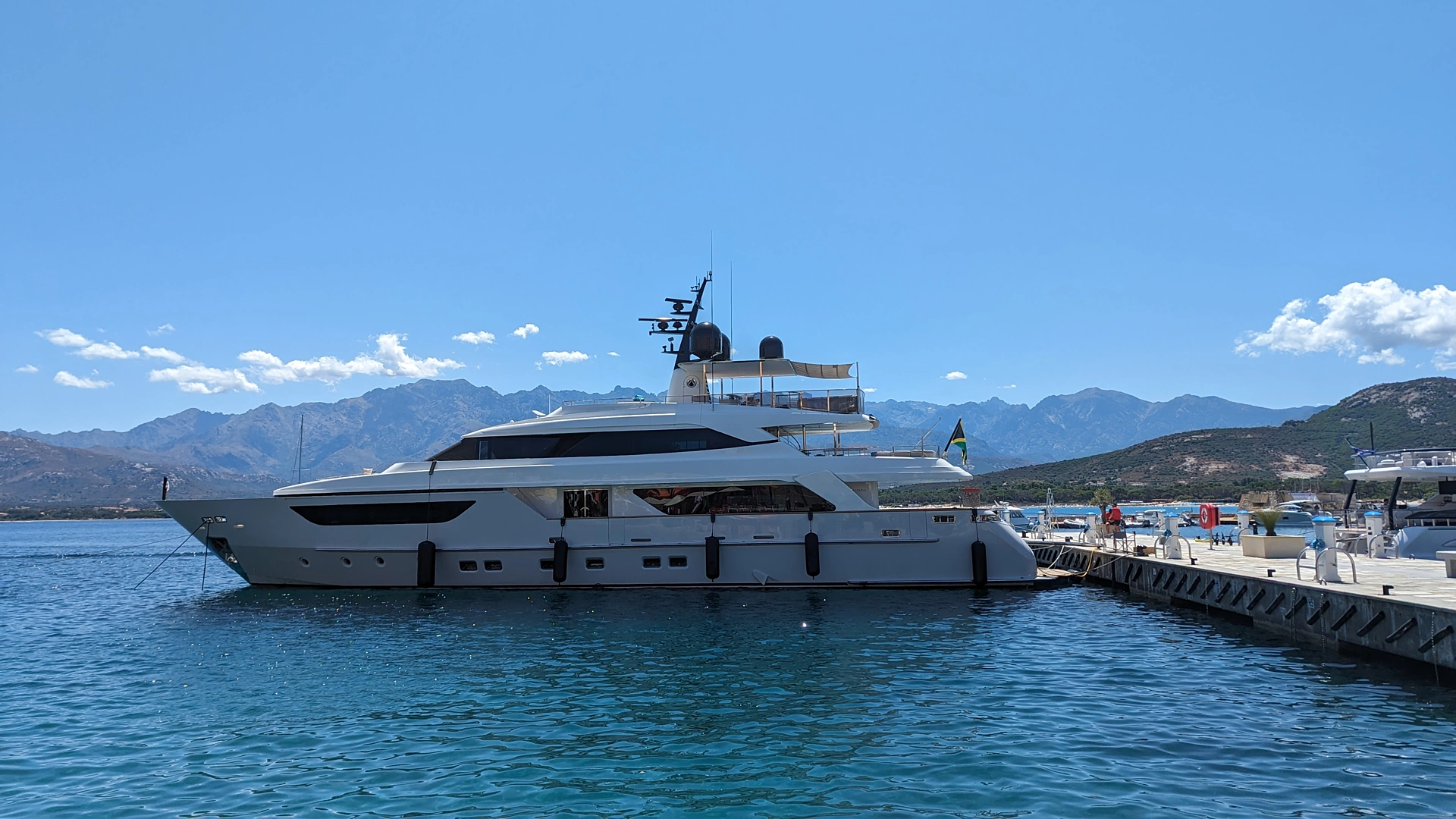
Calvi, nestling in the heart of a crescent-shaped bay in France, is overshadowed by a mighty Medieval citadel where, in 1794, the English Admiral Horatio Nelson lost sight in his right eye at the siege of the port. Today, there is a marina, and its cobblestone streets are lined with restaurants and cafés, making it a perfect place for people watching, from admiring luxury yachts to visiting a motorcycle club. The surrounding bays and beaches are perfect for all kinds of water activities and a full tan.
For more rugged activities, there are climbing opportunities, as the mountains raise to more than 7,000 feet and cover over one third of the island; or long endurance hikes, like Europe’s 16-day, 112-mile tough GR20 (Grande Randonnée 20 trail), that starts in the north at Calenzana (near Calvi) and ends in the south at Conca (near Porto-Vecchio). There are 16 basic overnight mountain refuges; the trail is marked with red-and-white blazes painted on rocks every couple of hundred feet. The alpine section is challenging, requiring extensive scrambling over large rocks in often wet conditions. Because cell phone service is limited on the trail, it’s best to pack a small satellite communicator for emergencies. It’s also a good idea to download offline maps to your phone, carry a solar-powered phone charger, or an old-fashioned paper map, and a compass if you are a purist. You don’t have to be a high-endurance athlete, just someone who’s in healthy shape, has the proper gear and preparations, and avoids hiking in rainy weather when it can get treacherous. The best time to hike is from late May to mid-October, avoiding the peak winter snow.
If the hike becomes too much or you run out of time, the best place to leave is at the halfway point in Vizvona train station. For a more challenging adventure, you can climb to a much higher elevation and see lakes that are frozen for eight months of the year, but a guide and reservations for the basic refuge cabins are required. If this is not for you, relax: there are lots of easy trails in the surrounding hills and along the coast to isolated beaches.
Not far from Calvi is Camp Raffalli, the headquarters for the French Foreign Legion’s 2e REP. One of the world’s most elite airborne units, known for its rapid-intervention capabilities, it also trains in this area. The French Foreign Legion was originally based in the fortress town of Bonifacio on Corsica. It was partly disbanded in 1983, leaving only the airborne unit behind in Calvi, while the rest moved to Nimes on the mainland. All Legionaries, except officers, are foreigners and are accepted from all over the world. They sign up as a single person, even if they are married. The first contract is mandatory for five years. After three years’ service, they may apply for French citizenship or immediately after being wounded in the line of duty: This latter provision is known as Français par le sang versé (“French by spilt blood”).
In the whole history of the French Foreign Legion, only one remarkable woman has successfully served, an English woman in 1909 named Susan Travers (but that’s another story). If joining the French Foreign Legion is on your mind, it can be done only in France, not in Corsica, but the recruitment offices are open 24 hours a day, 7 days a week. Good luck. Bon voyage! -Le Capitaine