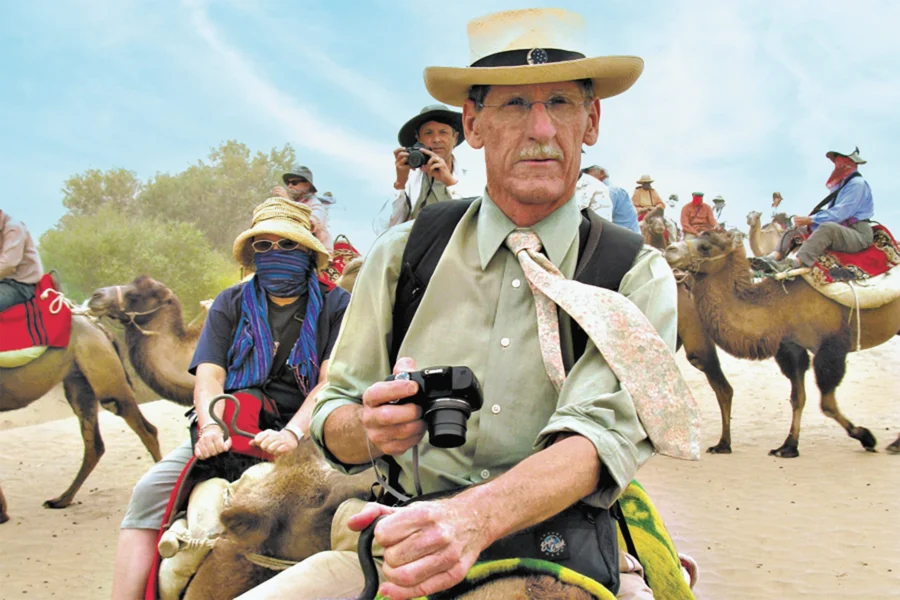
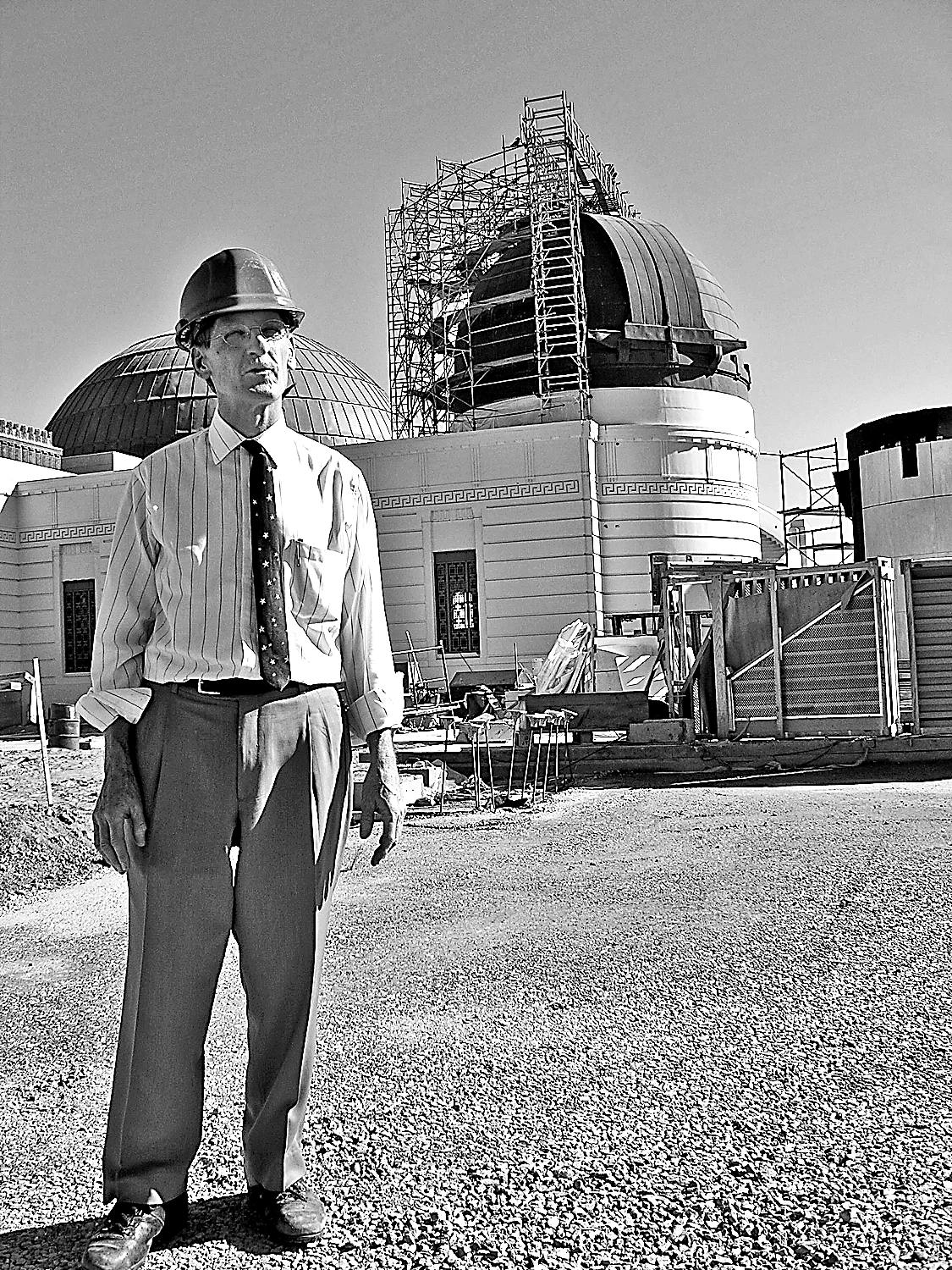
Dr. Ed Krupp, Director of Griffith Observatory for more than 50 years and longtime Club Member, is one of LA’s most recognizable and iconic characters.
In Part 1, published in the April issue of Alive!, he talked at length about his beginnings in astronomy, his early years at the Observatory, renovation and expansion of the LA landmark, and the wonder of it all. In this month’s conclusion, he talks about his passion, archaeoastronomy, which explores how ancient peoples interpreted the sky; why Griffith Observatory is LA’s observatory; and plans for succession.
Dr. Krupp was interviewed in February by Club CEO Robert Larios and Alive! editor John Burnes.
Alive! thanks Jennifer Wong for her assistance in producing these articles.
‘Whether I am back here in the offices, walking up the walks or just moving through the building going from one place to another, what I love the most is the interaction with people.’ –Dr. Ed Krupp
The Alive! Interview
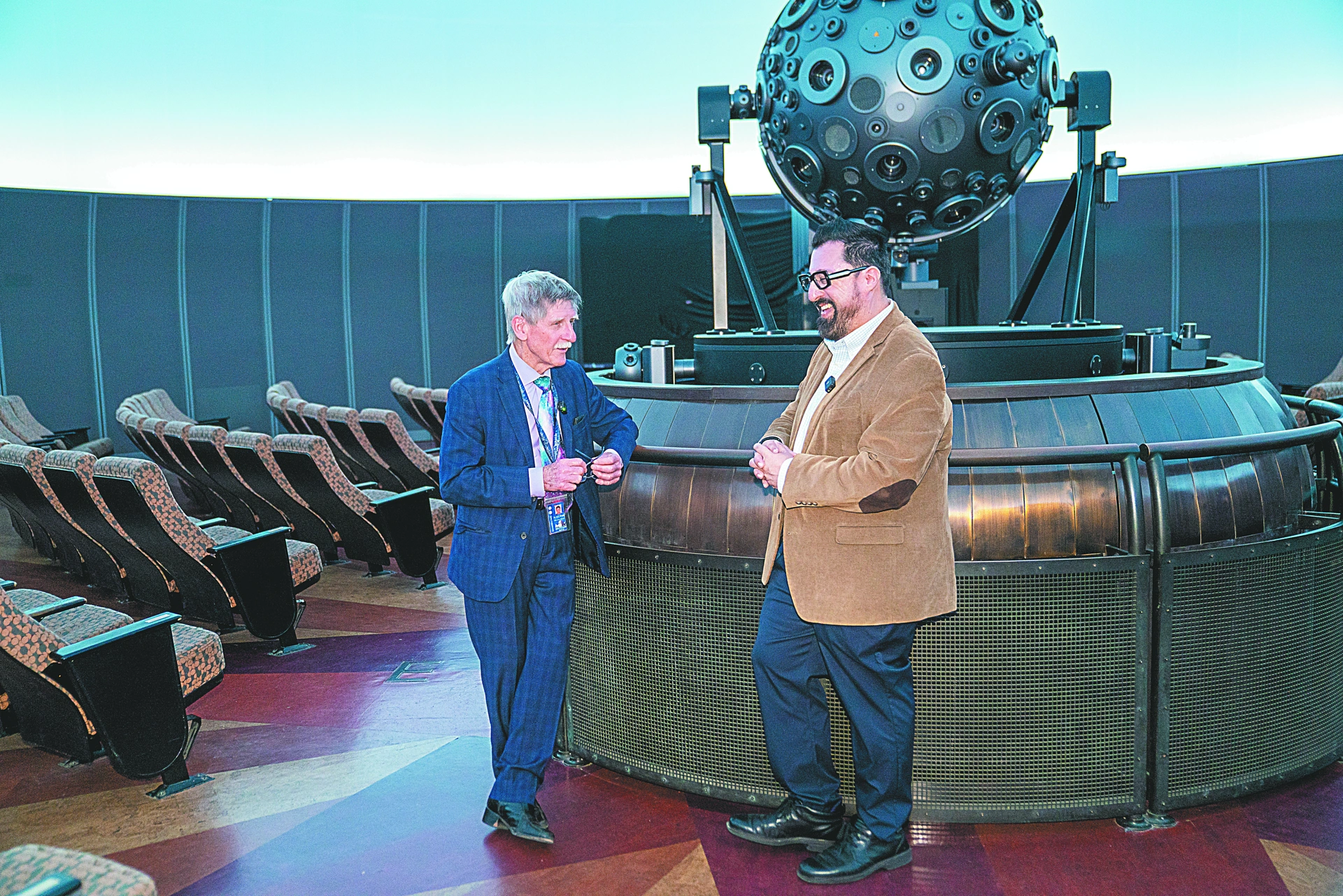
On Thursday, Feb. 12, Club CEO Robert Larios and Alive! editor John Burnes interviewed Dr. Ed Krupp, who’s now in his fifth decade as Director of the Griffith Observatory. The interview took place via Zoom.
Part 1 of the interview, covering Dr. Krupp’s development as an astronomer and his years at Griffith Observatory, was published in our April issue. This second installment concludes our interview with him.
Dr. Krupp is a longtime Club Member.
Alive!: You mentioned a pursuit of yours, archaeoastronomy. That’s studying the ways ancient peoples interpreted the skies above them. Why does that fascinate you? And what does that say about us today?
Dr. Ed Krupp: My sensibilities about that material certainly have evolved over time. I originally became seriously interested in it when I realized I was going to have a paid vacation after a year of being Curator at Griffith Observatory, thanks to the City of Los Angeles. I thought I’d better do something astronomical with that lovely gift of being able to go away for two weeks. I made the first trip to Britain because I had just by chance stumbled across a book called Megalithic Lunar Observatories, and I thought, “Well, that’s strange. What’s this all about?” It was related to Stonehenge, but not really about Stonehenge. I knew a bit about Stonehenge and Egypt from shows that we had done at the Observatory and as a lecturer I had given, but that was very superficial. Frankly, given what we know now, those old shows were not exactly accurate either. But I saw in this book an extraordinary amount of prehistoric material that was still to be seen in Britain and that some of it allegedly had astronomical connections. I thought I ought to go have a look at that. I thought maybe we would do a planetarium show, maybe talks, or maybe an exhibit. I didn’t know, but I thought it was interesting.
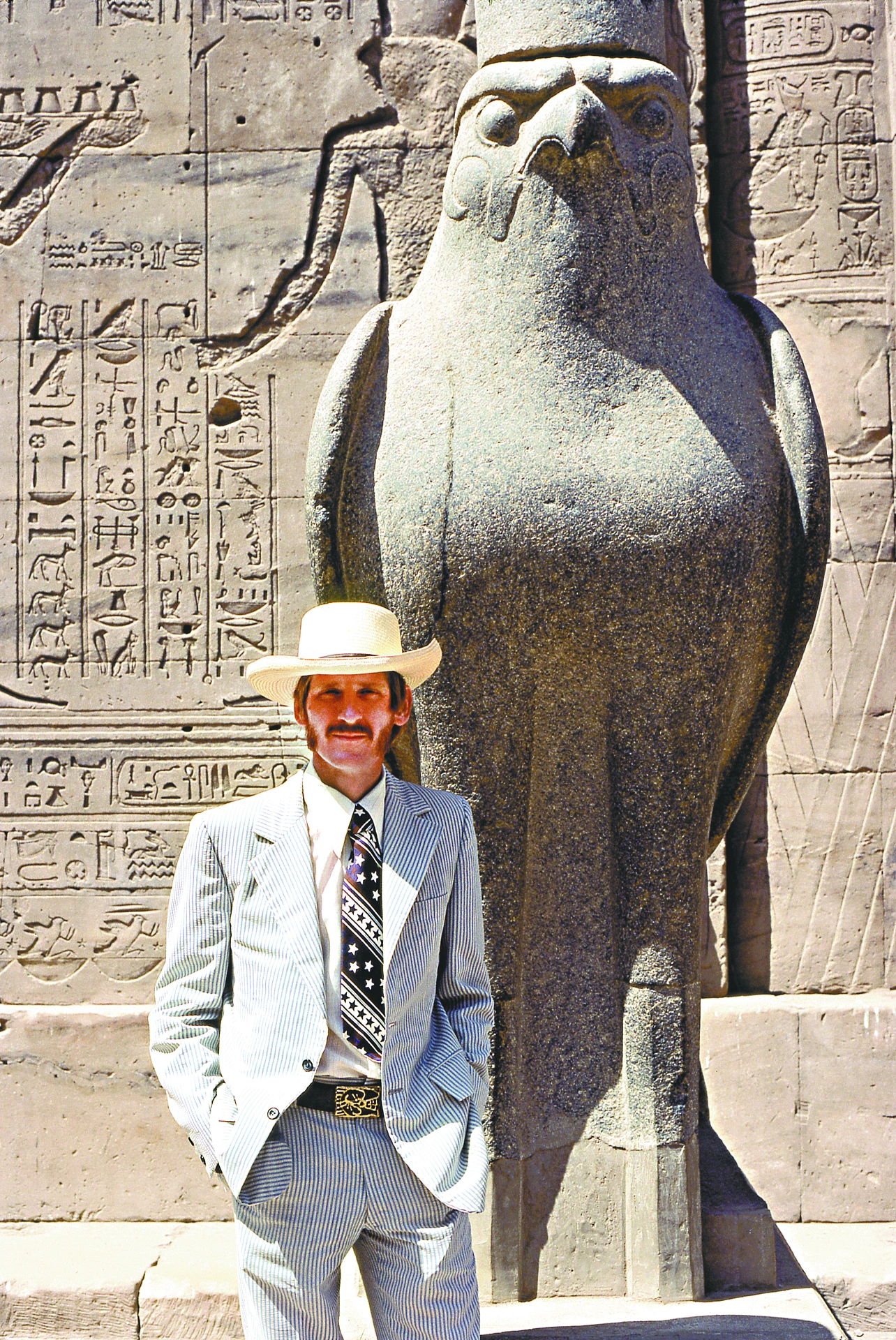
It’s odd; nobody knows about it. Over time, though, I discovered within a couple years there was a handful of people doing that in other parts of the world, and their areas were restricted. One good friend was working in Mexico, another on the Great Plains of the United States, but nobody at that time was working in Egypt. There was a small group of people studying ancient astronomy, and then the group gradually got a little bit larger and larger. It was clear that it was multidisciplinary, that there were astronomers, archaeologists, anthropologists, art historians, architects – and that’s just the As in the alphabet – but people from many different disciplines who were interested in this same material, which is essentially astronomy and its relationship to culture. They all brought different perspectives to the discussion at conferences that would be convened over time. It took a while for it to develop, and that altered certainly my first perspective on the material.
People had observatories, and they observed the sky. But it became apparent fairly quickly that people embed the sky in everything that they do. And in fact, the second book that I did, Echoes of the Ancient Skies, was really an attempt on a worldwide basis to show how we find astronomy everywhere in all kinds of human enterprises where we wouldn’t necessarily expect it to be. And that’s in the ancient world. Part of that was because it was interesting to me, but also it established a foundation. Here is an archaic foundation for something that actually still percolates up through culture. So, the impact of the sky on culture became important to me also because it was an entree into belief systems. This just goes to the puzzle and detective-story part of these things. When you look at any ancient monument, let’s say, Newgrange in Ireland. You can have no doubt that there was an intentional winter-solstice alignment that was intended to bring that beam of light back into the rear of the chamber, but it wasn’t for making astronomical observations. That was a sociological, anthropological, political, economic, and religious operation there. And so you say, “Well, what’s going on here? Who are these people? How do they think? What are they doing?” There are missing pieces to an interesting story. And so astronomy in that sense provides an entree, not an answer, into ancient and prehistoric belief systems. It won’t answer the whole thing, but it will give you some insights that you didn’t have before. I found that direction of inquiry very interesting from the point of view of both – aren’t puzzles interesting after all? And aren’t these places extraordinary? There are all kinds of places all over the planet where people have invested a lot of time, energy, and wealth to make the thing and to make it work. You say, “Well, this was meaningful to them. What was up there?” You want to know. And to the degree that these kinds of studies let you at least get a partial insight, I find them absolutely entertaining.
LA’s Observatory
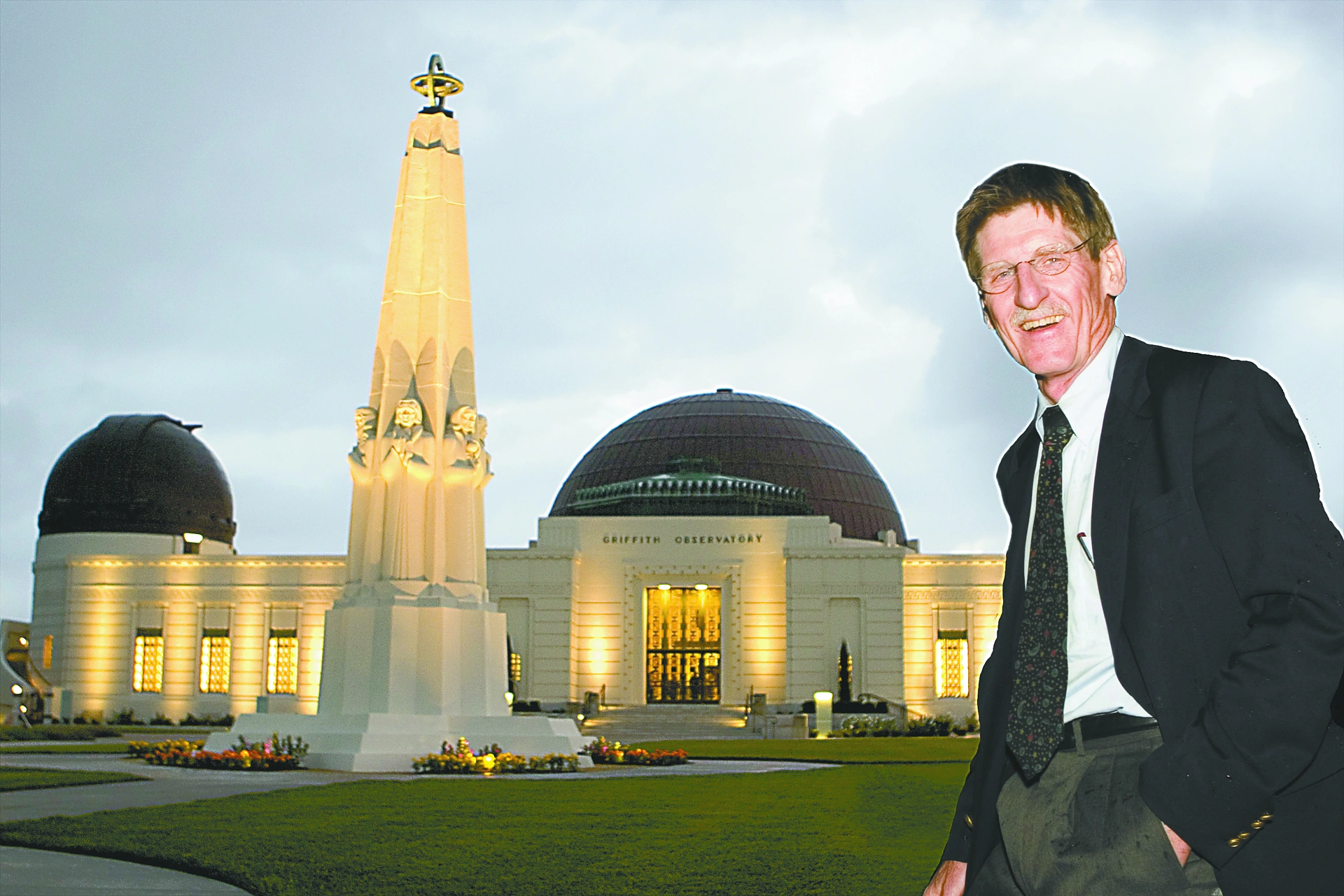
Which leads over many centuries to the Griffith Observatory and its culture. How is the Observatory absolutely LA’s observatory?
A couple of things. First, it’s visible from the entire basin, and so people know it. It becomes therefore an element of the landscape. And obviously, because it is free, as Col. [Griffith J.] Griffith dictated in his will, it’s got to be free to the public in perpetuity. And then, even if people don’t know that about Griffith’s will, they come up here and they walk in and it’s free. There is a sense that they own it.
It is also LA’s observatory because it’s been around now for 90 years. That means that while things change in any particular landscape, some things that don’t change remain actually as absolute elements of the community where they are.
And then, people are used to seeing the observatory in mass media, obviously motion pictures and such seen all over the world. When the Observatory appears in something like La La Land, it appears not only as an observatory or a public observatory. It is actually screaming Los Angeles in that film. And in Rebel Without a Cause and elsewhere, when the observatory appears, it’s actually intended to be the vehicle that says, “Yep, you’re in Los Angeles.”
At the end of the most recent Winter Olympics in Italy, they played a teaser for the upcoming 2028 games in Los Angeles. And there it was, the Griffith Observatory, in the teaser.
Yes! The only other thing that really announces LA’s presence like the Observatory is the Hollywood Sign, and then back in the old days in Dragnet on television, City Hall. But Los Angeles, unlike a lot of places, doesn’t really have a reputation for heritage and for longevity. Obviously, the Central Library celebrating 100 years, that’s longevity and heritage. It’s a very straightforward and very classy building. Griffith Observatory is a classy building as well. When people encounter it in person, they’ve had either to come here or they live here, but they’ve had to make a pilgrimage. And then they see the whole city, at least on the south side. That’s our intention actually, for people to get that perspective and see where Earth and sky meet, that we’re actually the point of contact between those two. So all of those things wind up contributing to that notion of it being LA’s observatory.
I would add only one further anecdote to reinforce that. We were researching domes for the renovation and the expansion of the Observatory. We needed something that would have a particular effect that didn’t exist at that time. And then just as we were on the cusp of tragedy by having to buy a dome that I didn’t want, a company developed a new technology for the dome that would essentially allow us to make a pristine, luminous, and remote planetarium ceiling that would be a perfect illusion. We had to go out to Disney’s California Adventure to see it because that’s where the first one was installed, in Soarin’ Over California. Of course, it was perfect. We brought that dome technology here, but that visit to California Adventure let me encounter two other things that I think are crucial. One, there was a ride in California Adventure called Hollywood Limousine, and it had a big façade behind the building that depicted essentially a cartoon portrait of Los Angeles. And then way up above, as is typical, there was the hillside profile, and there was the Observatory sticking up at the top. It was huge, and with a telescope of course, sticking out the slit of the dome as it never would.
I’m sure the Observatory has inspired many, many animators.
Perhaps. That façade said that this is a signature of Los Angeles right there for every tourist who comes there. It’s in the mind of people. In addition, there was a mural on a very large building that faced the Hollywood Limousine ride. That huge mural, which is now painted over, showed Los Angeles in 2450 A.D. Los Angeles was transformed in 2450 A.D., except that Griffith Observatory was still there.
I’d like to believe it still will be there. I can’t imagine an LA without it.
City Employee
What does it mean to you to be a City employee, a municipal employee?
I took that very seriously when I was hired and even more so as a full-time employee as Curator. When you’re a part-timer and you’re getting paid by the City, your check comes out and it says City of Los Angeles and all that. But it also meant an awful lot because the protocols made it clear that you were part of an official, responsible, and as I continue to believe, preserving element of this area. The City has a role in stewardship of resources of its populace, and Griffith Observatory is one of those resources. Being a City employee sealed that deal. It said, “You are responsible to make sure that this is available and working and good for everybody because that’s a good thing to do, and that’s what the City does.” Fire departments, police departments, all the departments have roles. In my own case, I understood what our role is, and I always saw it in terms of a City function.
The idea of working with and in the City, understanding its mechanisms and its institutions on behalf of the Observatory was essential. Particularly by the time I had to become Acting Director, I realized it was utterly necessary for me to be part of that system to do the job that I was supposed to do.
I still love the idea that the Observatory is public. Municipal governance is an extremely important part of the Observatory’s identity. Having a municipal identity affects how we look at our audiences and how we look at the place. We don’t want anything wrong to happen to this place, and we’re going to make sure it doesn’t. You can talk to anyone here, they’re protective.
What Remains to Accomplish
What would you still like to accomplish?
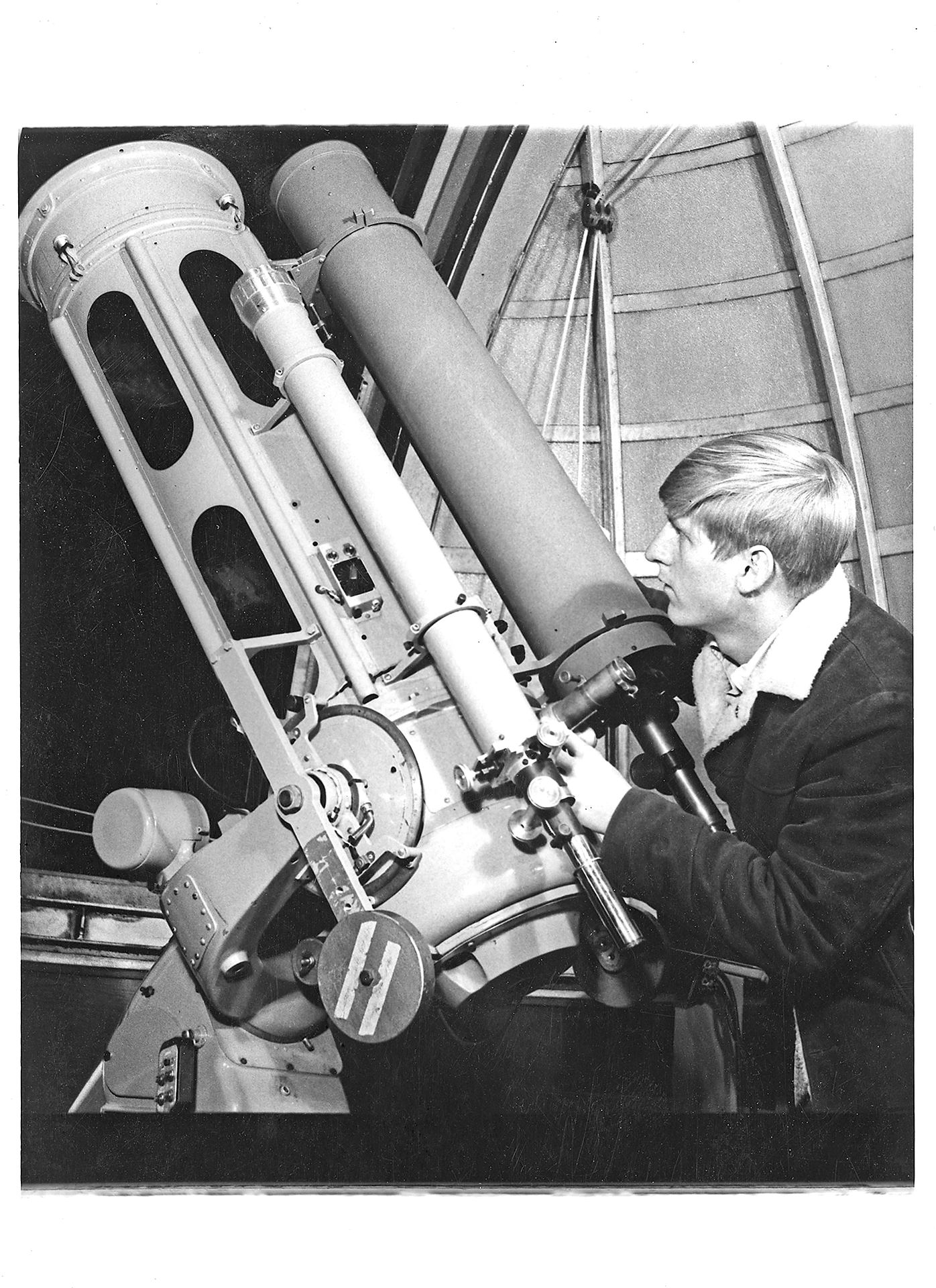
I wish I were that visionary that I would have a good answer for you. In the accomplishment department, I just want to clean up my house and get everything sorted and organized. But in terms of the Observatory, it’s kind of funny how initiatives work. Some of them brew for a long time and some of them are suddenly immediate problems that have to be resolved. But there’s a continuity to it. What was important to me, and still is, is making sure that the mechanisms that allow the place to be continuously renewed and maintained are there. There’s nothing fashionable or glamorous about that, but it’s absolutely key in terms of looking at the future. When we did the renovation and the expansion, we understood that we probably had taken care of the Observatory with this kind of effort for maybe 50 years. In that 50 years, at least people wouldn’t have to go back and do a lot of the foundational stuff that we had to do. But that also meant that through those 50 years, you have to continue to evolve and to replace and to modify.
So much of the past 20 years since the renovation hasn’t been just sitting on what we had, but in fact replacing, fixing, modifying, improving, and so on. The Samuel Oschin Planetarium, for example, has been renewed in a significant way at least four times now internally in ways that the audience would never know, but which we have to do. I can’t say that there are specific projects, but there are things that always wind up cropping up. Another planetarium show, would that be the next thing to do? Only if there’s really a show that’s worth doing. You have to identify it. You don’t just do it because you want to do it.
So I can’t tell you right now for the long term. I certainly can tell you in the short term. What we’re doing in the short term is another renewal of the planetarium, particularly the major projectors – not the Zeiss, but the other projectors for all-dome digital animation. It’s not a small task. It will, both in terms of fundraising and in actual installation and making it operate, if we pull this off in a year, that will be terrific, and it has to be done. In a way, that’s one of the most pressing things that we’ve got to do.
Here is a good example of something very silly and small in scale, but between 2023 and 2025 we completed an enterprise that nobody else on the planet has done when the moon was reaching its so-called major standstill period. It was highly obscure and most people haven’t a clue about it, but we were able not only to raise the level of understanding in a way that was entertaining and fun for people, but we broadcast these extreme moons both from Griffith Observatory and from Chimney Rock, Colorado, where there’s an Ancestral Pueblo site allegedly involving the moon. Through the course of all of that activity, we actually managed to do some really interesting research on the visibility of the moon in these situations that will have an impact on how other people talk about these things in a research capacity. It means we’ve got a paper to write, we’ve got to pull data together, we’ve got to organize it. It’s a small task in a sense, but it too will take a year. That’s a low-level objective, but one that’s meaningful. It’s something that only Griffith Observatory could do and has done because of its other technical capabilities and because people on its staff made it possible to do.
Proving that the Observatory might be a little show-business, as you mentioned previously, but it’s still definitely science.
Yes. There is also the new Celestial Globe, which just went in in January, and it looks like it’s always been there. It’s a perfect fit for what it does in its location and enhances the visitor experience of moving through the building. It looks like something they know, the constellations. There is an immediate recognition by people when they encounter that. They like them and they care about them. There is real meaning in where it is, what it is, how it works, and where it came from.
What do you love about what you do?
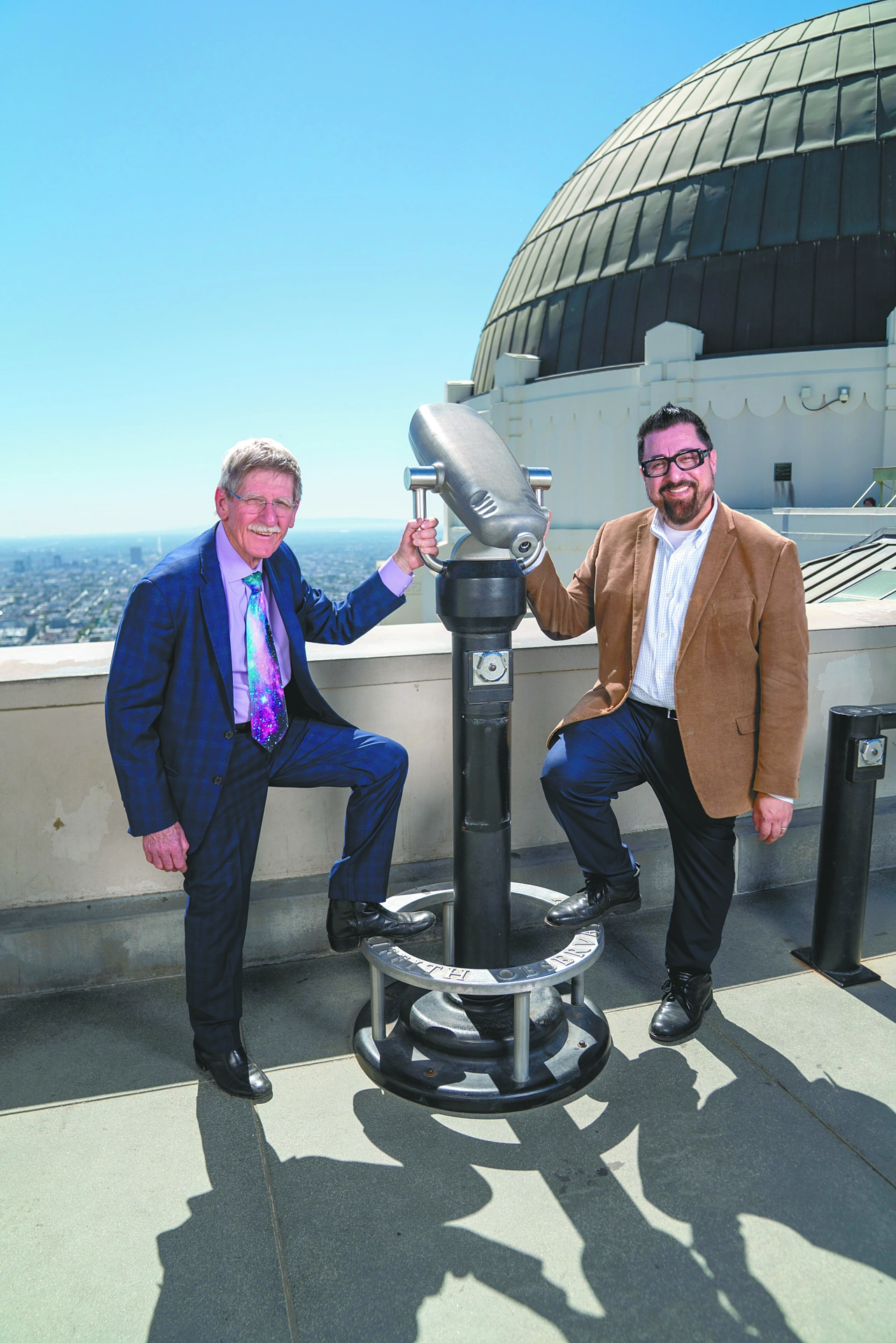
The simplest thing, clearly, is that whether I am back here in the offices, walking up the walks or just moving through the building going from one place to another, what I love the most is the interaction with people. There is always something satisfying about that. To try to turn that into something very concrete and genuine. We have one exhibit here, the Cosmic Connection – it’s 165 feet of celestial jewelry that’s a timeline of the universe. That was conceived very deliberately after a failed strategy of exhibit design that didn’t work. I just got fed up that weekend and said, “This is what we’re going to do. We’re going to make a timeline out of the jewelry,” because I knew it was available to me. I thought, “This jewelry laid out this way is going to make at least 50 percent of the population, and probably more, stop and look at it because it is jewelry.” And when they stop and look at the jewelry, they’re going to see panels of information that tell what really incredibly monumental thing happened in the universe, like the Big Bang and then right after it. They’re going to start talking to each other about the universe. That Cosmic Connection exhibit is right outside the offices. I go out that door every day, and there are people standing there looking at the jewelry and the panels and talking to each other about the universe. It’s just a delight. They walk down there and realize, “I’ve walked a billion years.” They get down to things like the formation of the solar system. And because the timeline is so simple and so immediate, it really resonates with them. I really get a kick out of seeing that happen with people.
Retirement
Before we conclude, we haven’t touched on your possible retirement. Do you have any plans?
Like the universe and Bob Dylan, I have from the beginning been in it for the long haul. I have not been focused on retirement, but I am very invested in an effective plan for succession in Griffith Observatory leadership. The Dept. of Recreation and Parks and Griffith Observatory Foundation are both working to develop that plan and ensure the continuity of the fundamental values of Griffith Observatory.
Dr. Krupp, it’s been extraordinary talking to you, as it always is. Thank you deeply for your extraordinary service to Los Angeles and the world, and for your support of the Club.
You should give each other medals and note that in the article that you managed to deal with my interminable commentary this long.
Thank you. If you tell the readers anything, tell them that every time Alive! arrives in my mailbox, I open it up and I go through every page. No question about it.
That’s wonderful. Will do.
Bye-bye.