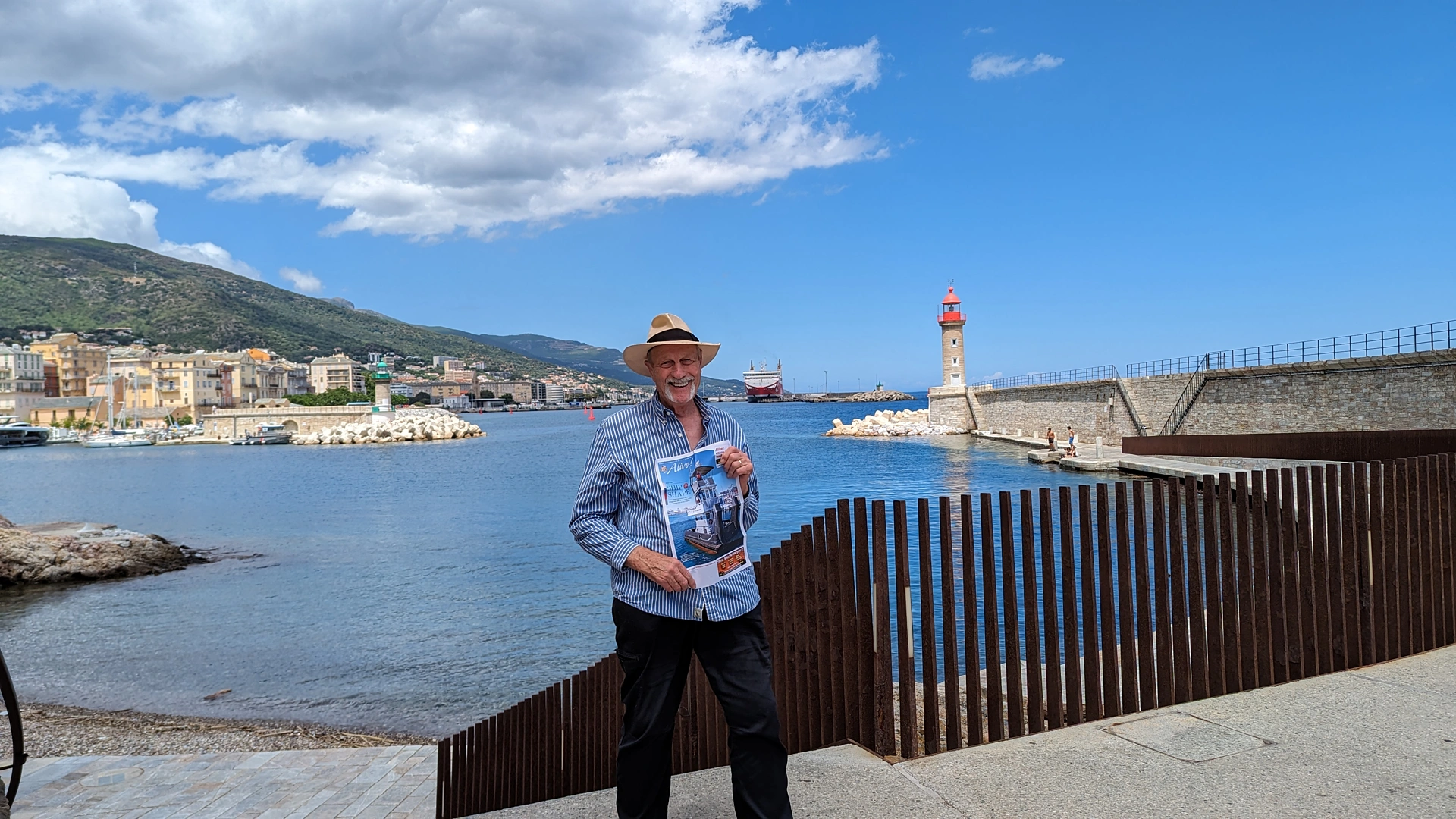
Bastia, France
Bastille Day in France, July 14, is a major national holiday, just like the Fourth of July in the USA. It is celebrated with flags, parades, dancing in the streets and fireworks, commemorating the Storming of the Bastille on 14 July 1789 and the unity of the French people at the Fête de la Fédération on 14 July 1790. It’s a great time to be in Paris.
Unfortunately, not everywhere in the French-occupied world is so patriotic. Corsica is one of these places, having been invaded over the centuries by so many different countries, the last of which was France; it is virtually a non-participant in this French tradition. At the Bastille Day celebration in the large town square, only a small number of local police and firefighters with their mini fire trucks attended the mayor’s speech. There were no crowds, no flags, nothing whatsoever, and later that night, there was no traditional dancing in the street, although there were government-sponsored fireworks at midnight.
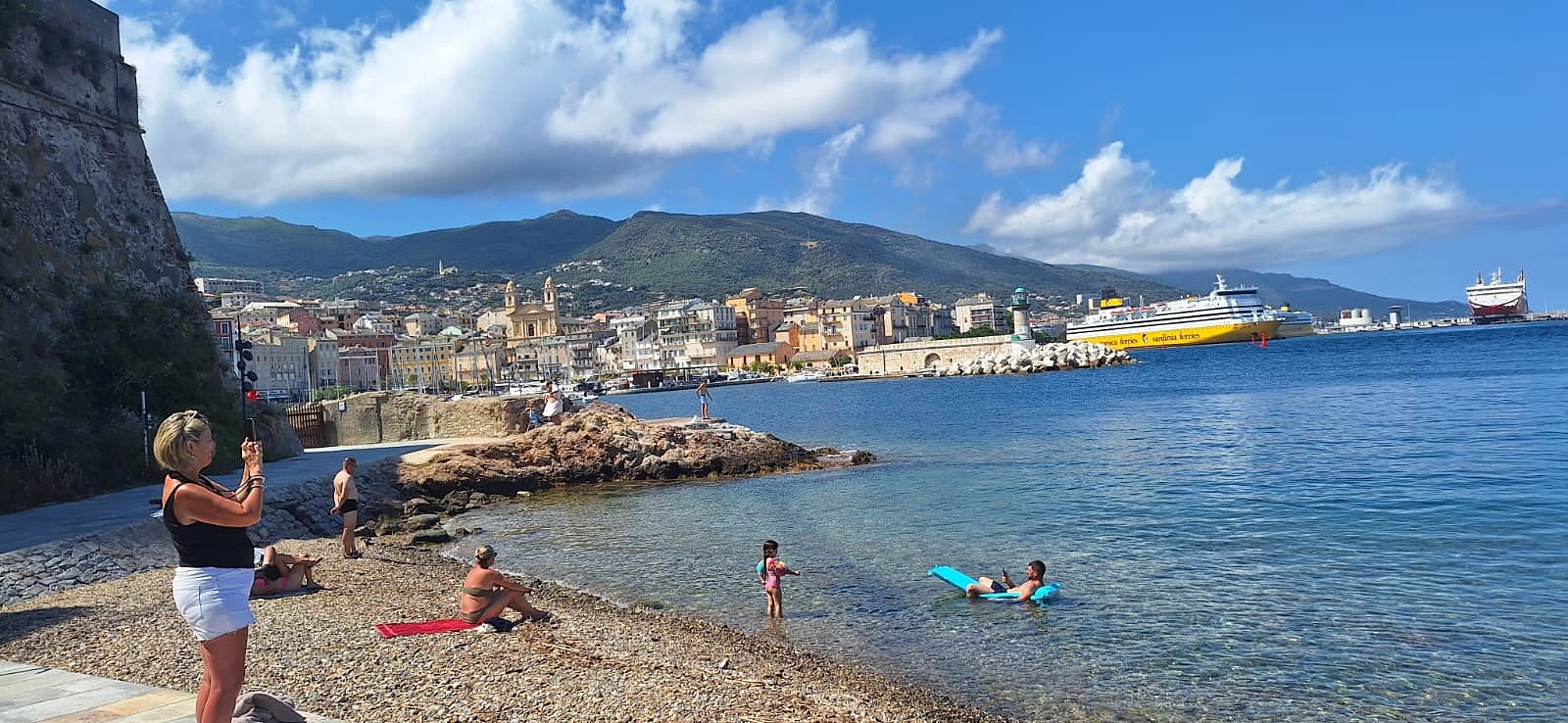
The new harbor of Bastia, the principal port on the island of Corsica, is a gateway to the island for large car ferries from France and Italy, bringing adventure-seeking Europeans, hikers and campers who prefer to drive their own cars rather than hire one on the island. Overshadowing the lower old harbor with its twin-towered Church of St. Jean-Baptiste, lined with bars, restaurants and sailing boats bobbing at their moorings, is the Terra Nova, or high town. This centuries-old citadel, with its massive stone ramparts and fortifications, was built by Genoese invaders in 1378. Within its stone walls stands the orange-or-ochre façade of the old Governor’s Palace and Bastia Museum, which showcases the city’s past. Nearby is the Cathedral of Ste. Marie, with the usual collection of paintings and marble statues. This whole area is a labyrinth of narrow, twisting, car-free cobbled streets with intriguing tiny wine bars and eating houses just waiting to be discovered around every corner, some offering panoramic views of the Mediterranean Sea and the harbor below.
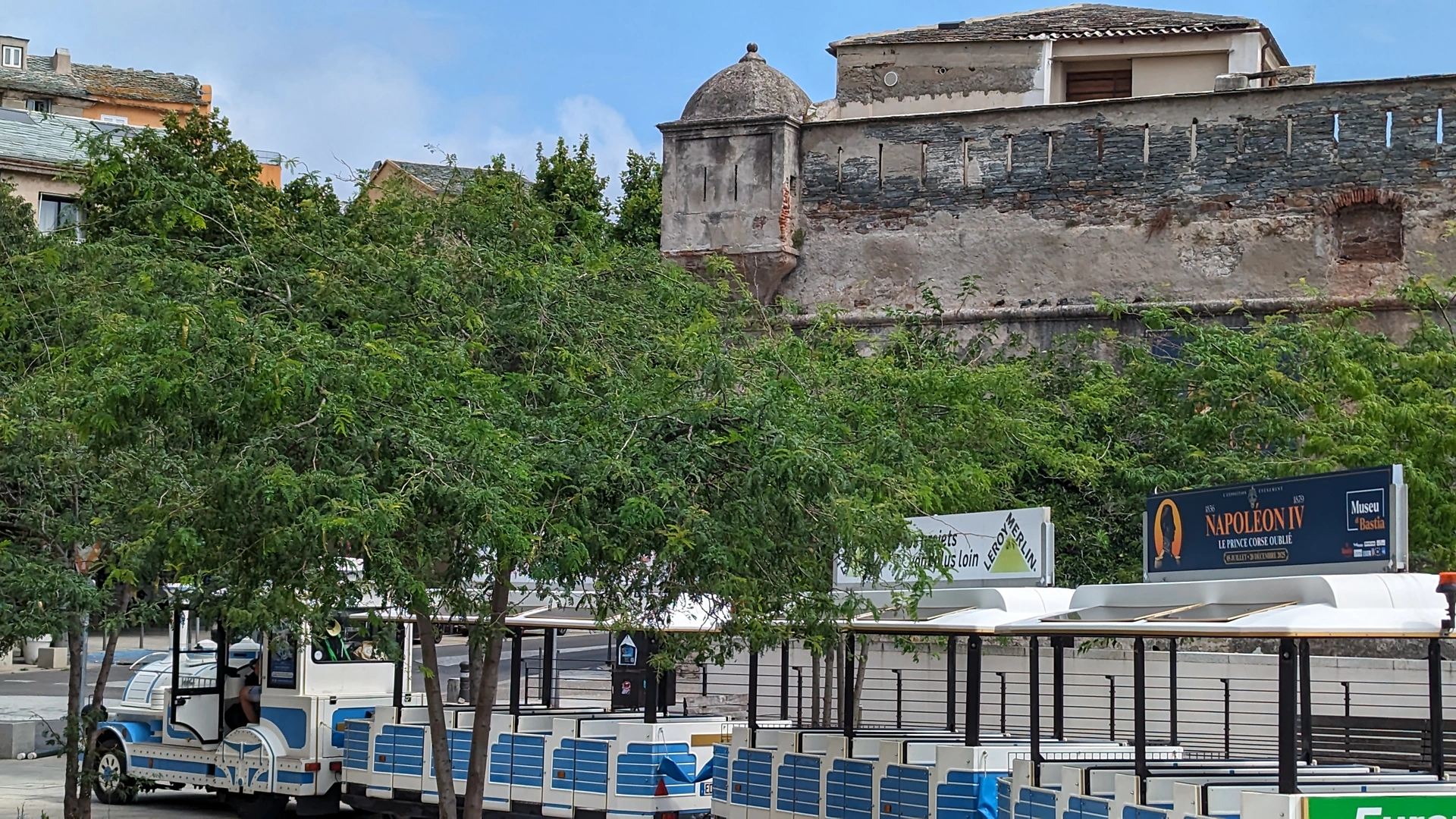
The Genoese, besides building huge fortresses, also brought to this arable, poor island thousands of chestnut trees, nicknamed the “Bread Tree,” to feed their troops. Today, more than 50 varieties of chestnuts grow on the island and are used in many traditional dishes, like Falculelle, a small, sweet cake made from a cheese-and-chestnut-flour batter, spooned onto a dried chestnut leaf, and baked in the oven until pale golden. Chestnuts, along with acorns, are part of the wild boar diet, which roam the island freely and, when captured and slow-cooked, become the traditional casserole called Civet de Sanglier. For more traditional cuisine, check out the U Paisanu, a charming authentic Corsican restaurant with a deli downstairs and a small seating area upstairs, nestled in the heart of Bastia.
Alternatively, a visit to a farmer’s market in one of the surrounding villages is a great way to experience local food and culture. Most are held early on Saturday mornings and, depending on the season, will be stacked high with wicker baskets full of strawberries, asparagus, artichokes, and fresh herbs, whose collective smell of ripe fruit, warm bread and freshly brewed coffee fills the air with unforgettable memories. Nearly all stalls offer samples, such as tapenade on thin slices of crusty baguette, homemade honey, tasty cheese served on wax paper, and fresh-dried boar meat. Other stalls overflow with lavender sachets and bottles of golden olive oil just waiting to be purchased for a far-away gift or memory.
For a relaxing vacation, there could be no finer place: few tourists, no loud music, good food, excellent wine, and the overpowering smell of wild herbs.
Profitez de votre repas ici. –Le Capitaine
Washington State
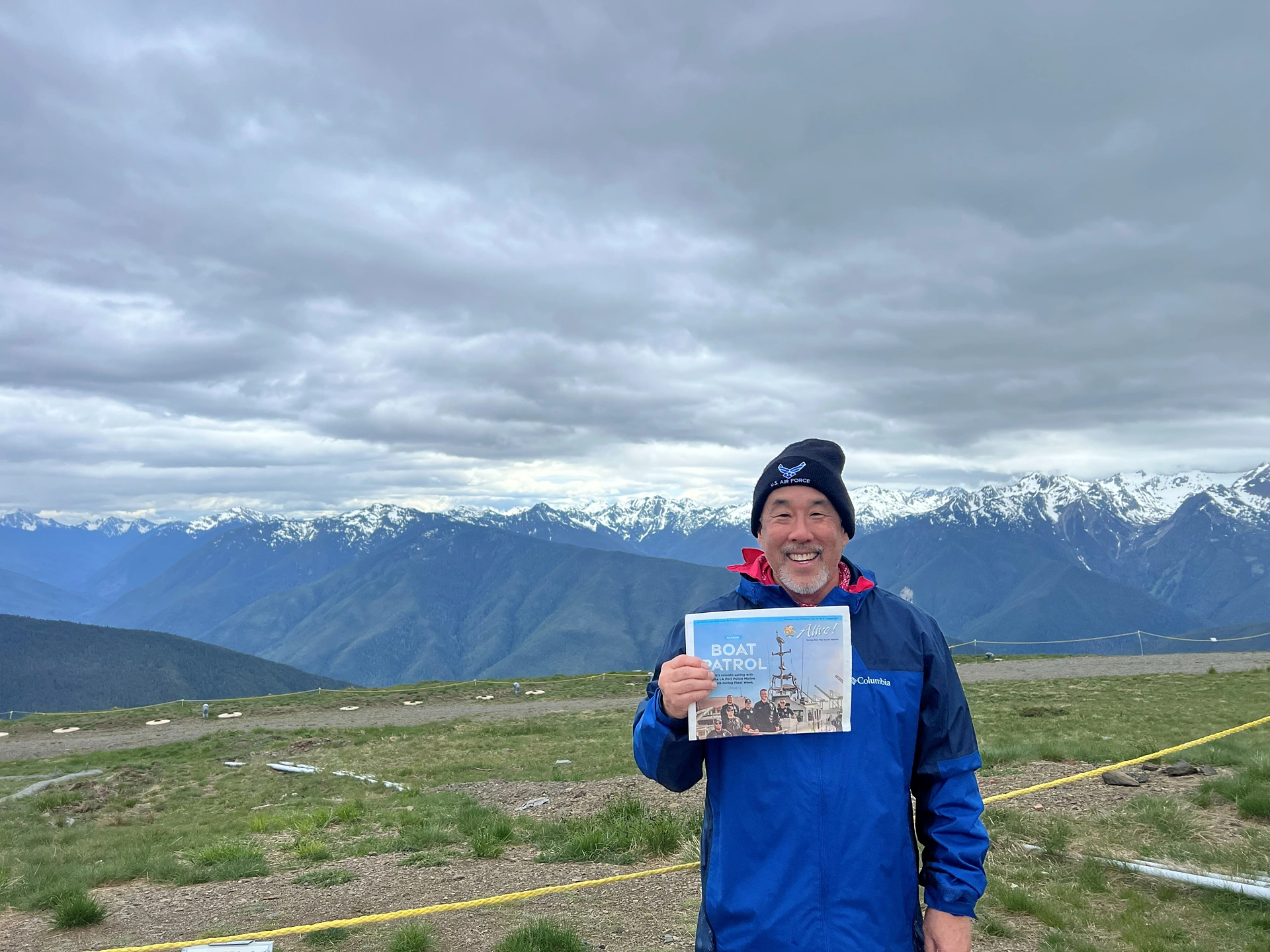
“I just returned from a family vacation in May to Olympic National Park. An incredibly diverse habitat from spectacular beaches, to rainforests, to snow-capped covered mountains! It is a lot of driving but beautiful scenery if you aren’t in a rush.” John Otoshi, Retired, LADWP
Denmark
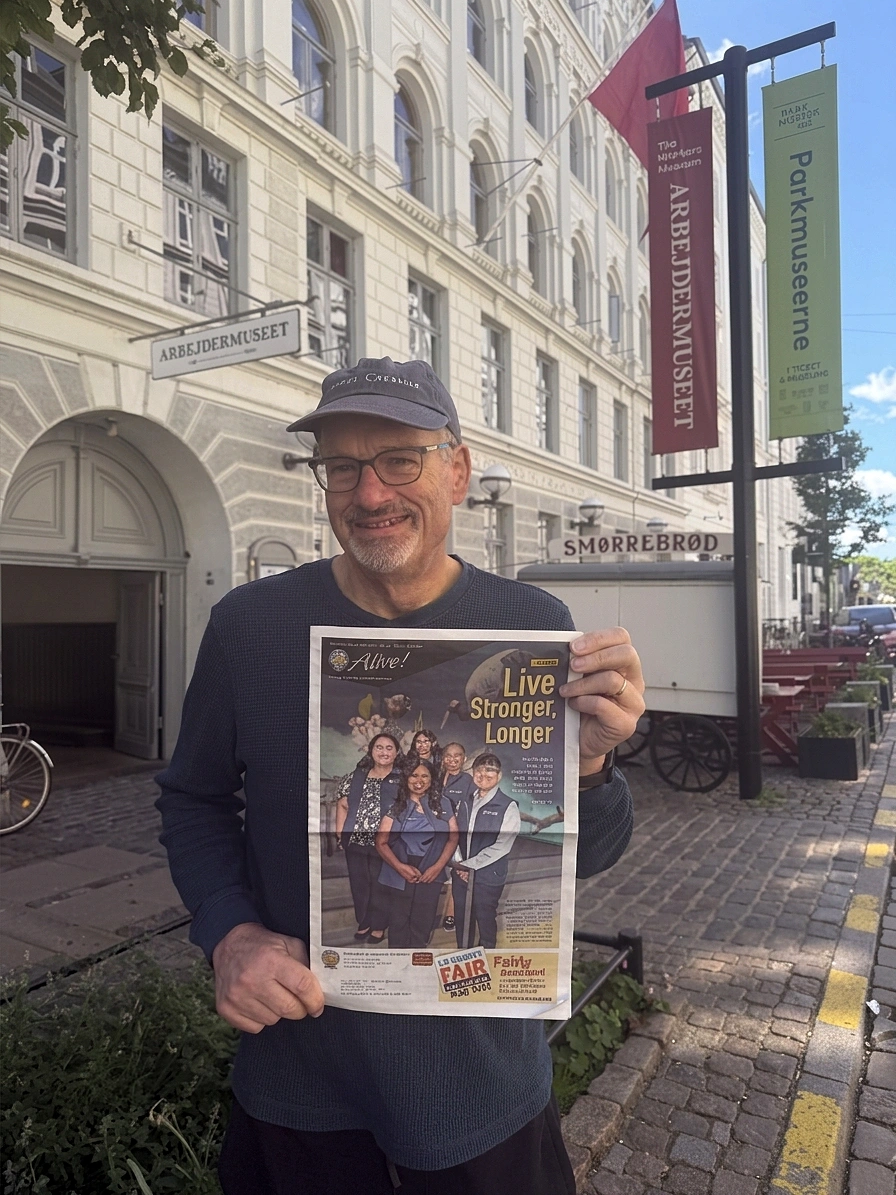
Alive! editor John Burnes visited the Workers Museum in Copenhagen, the site of the first trade worker’s union in Europe, and the second in the world. It documents and continues to support worker’s rights – the same call heard all over the world.