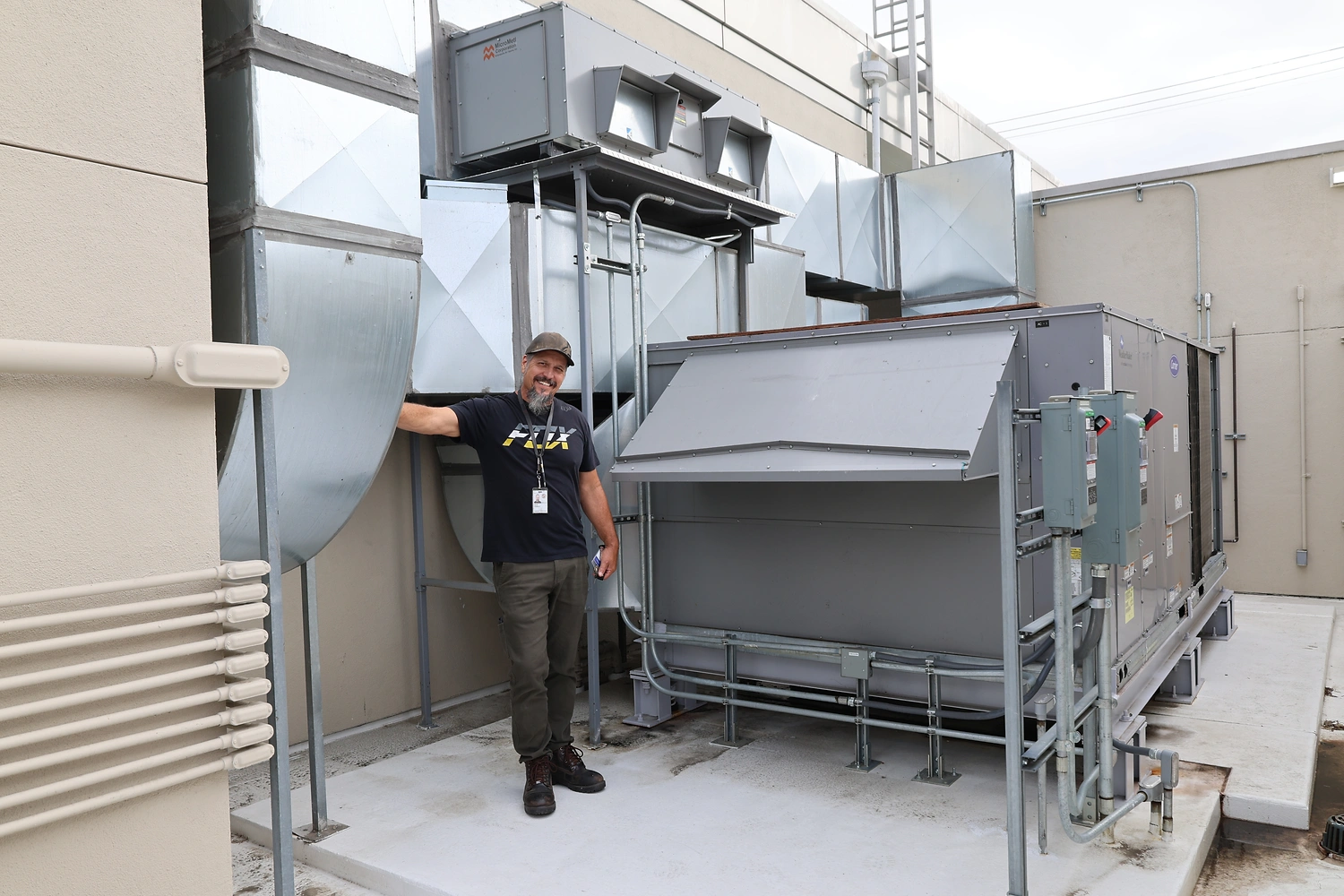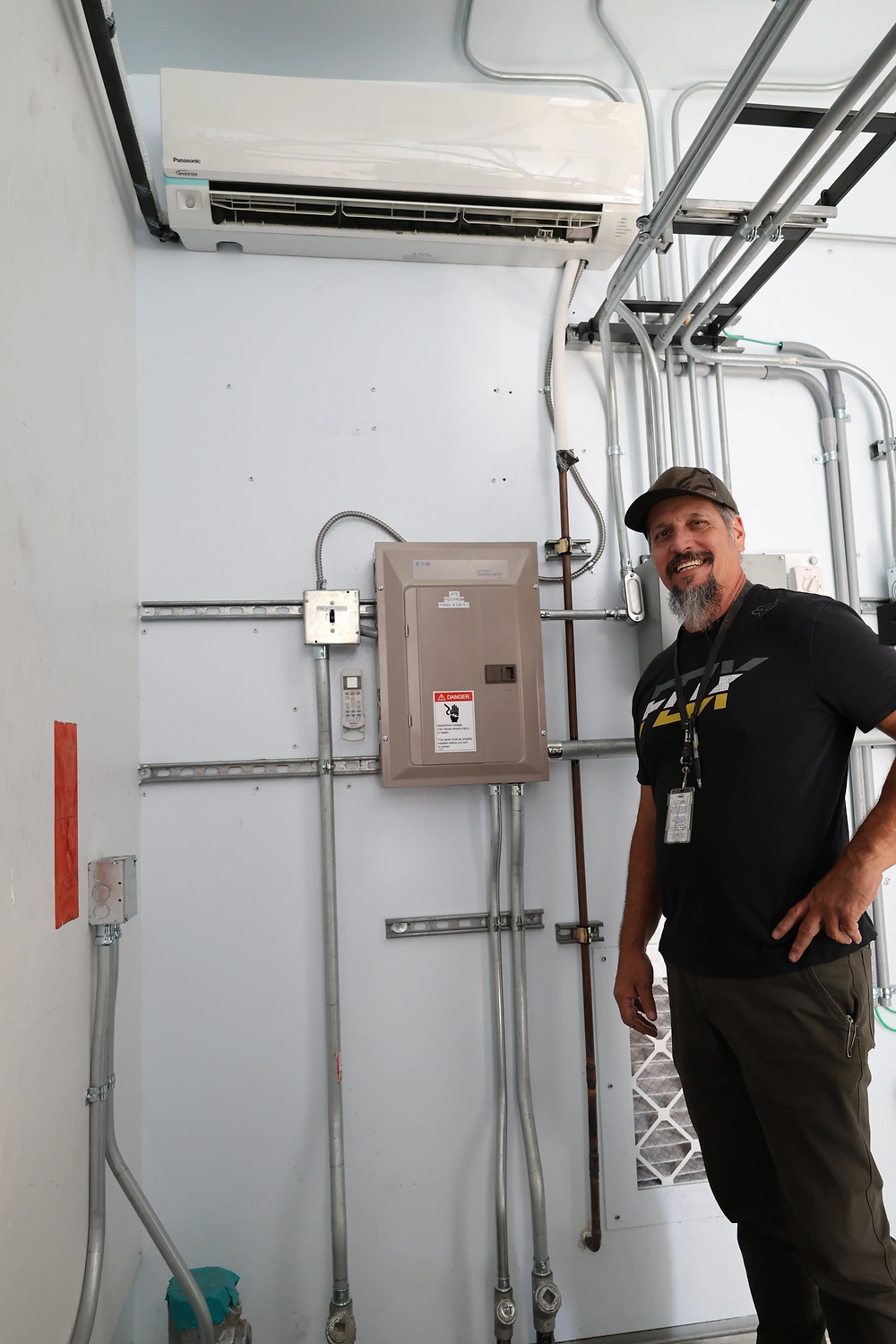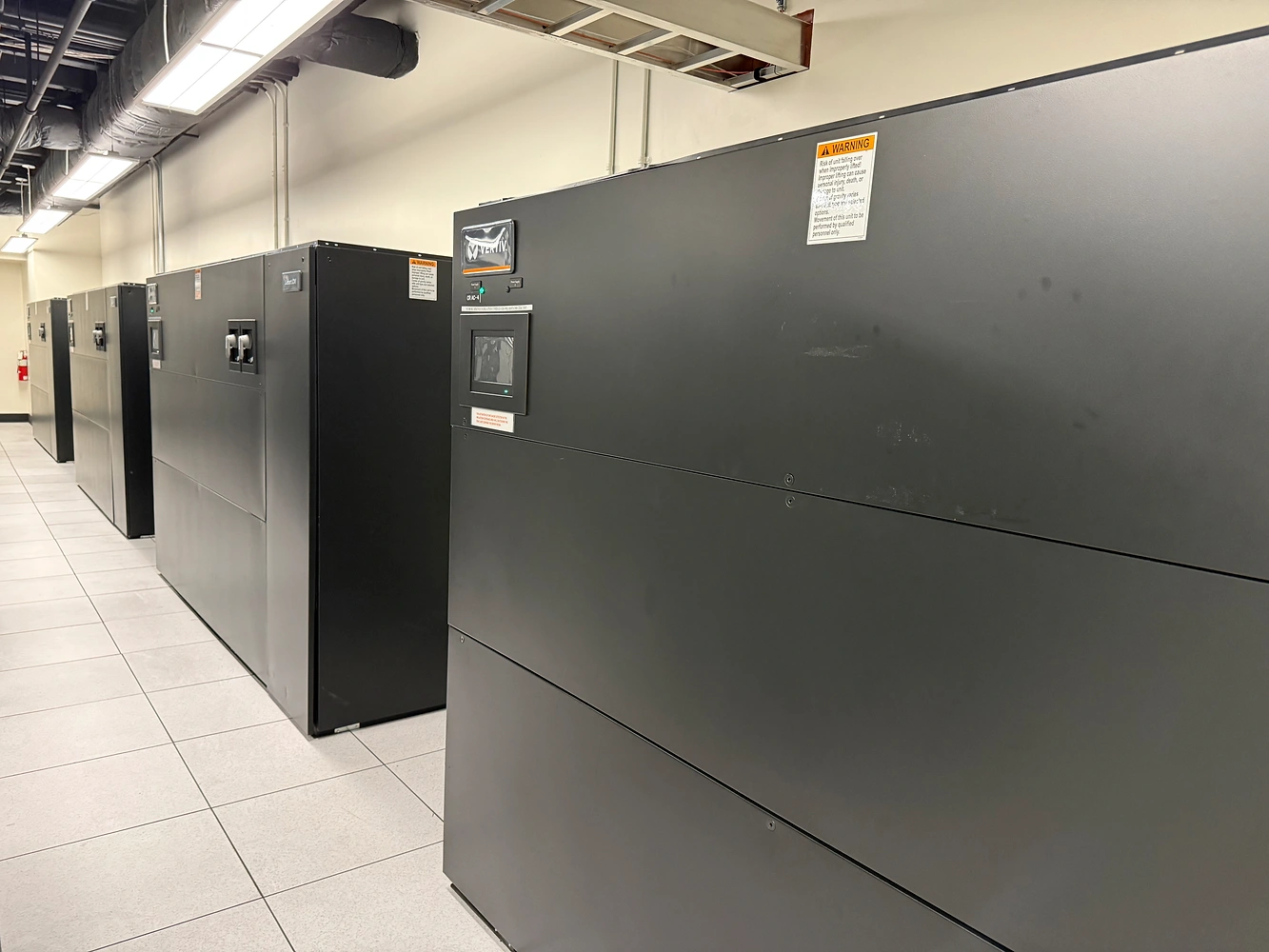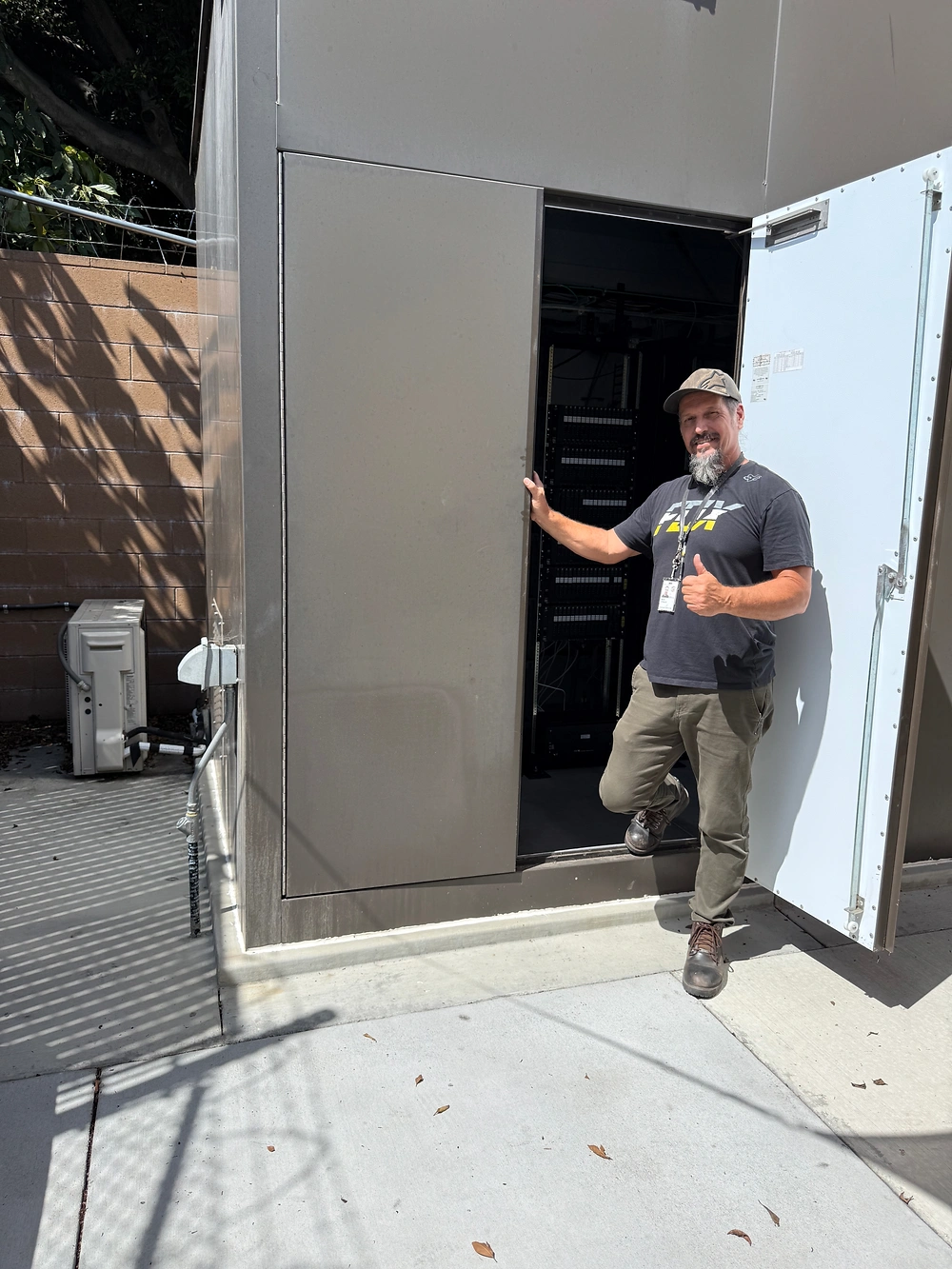
Construction Forces’ Sheet Metal Group forges its path to ingenuity, efficiency and getting the job done.
Behind buildings and under ceilings; designed into new construction or carefully routed around treasured assets; and quietly but efficiently cooling some of the City’s most important data centers: this is the signature work of the City’s Sheet Metal Group.
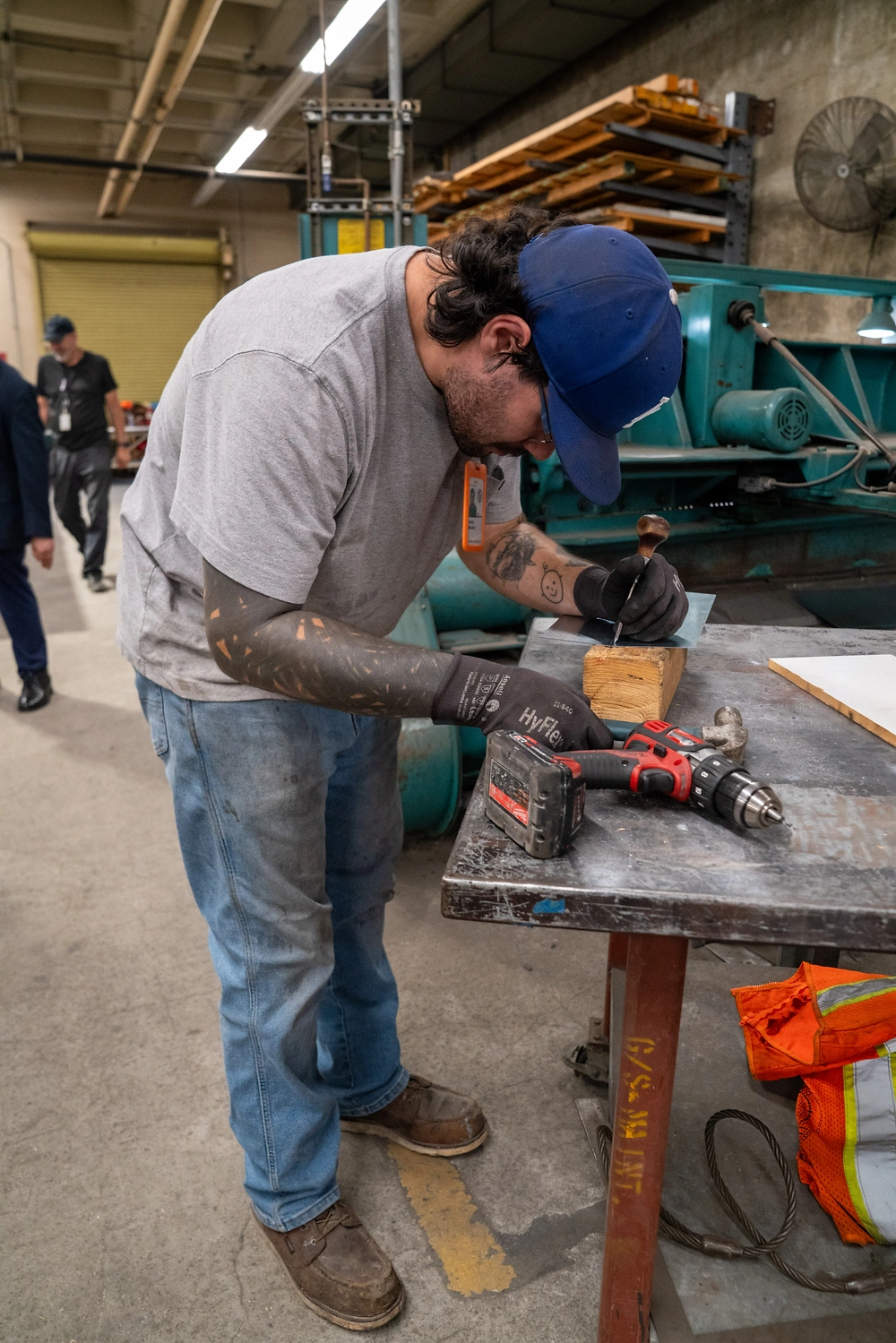
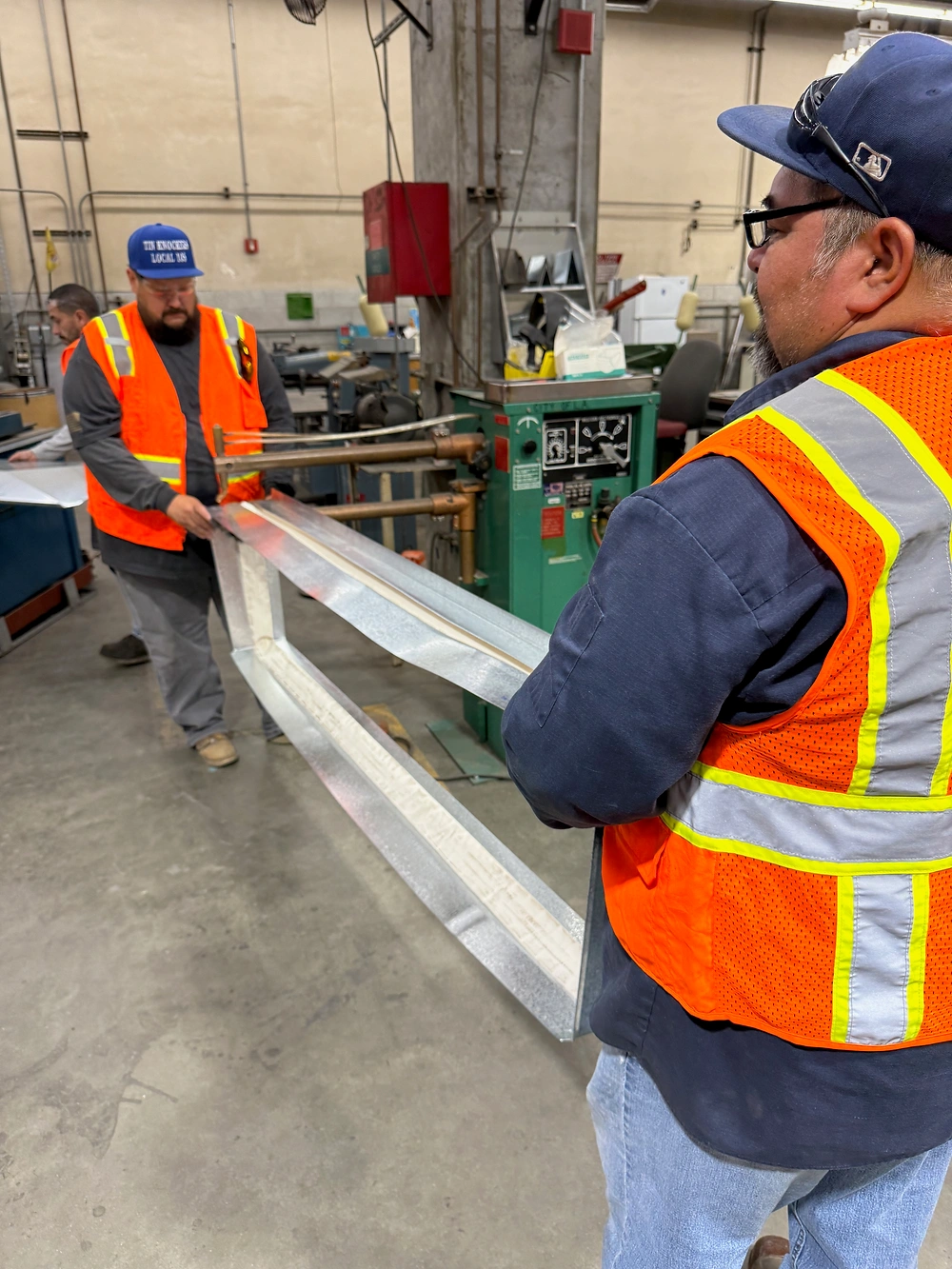
The Sheet Metal Group produces ductwork, handrails, custom countertops, skid plates and many other pieces; installs custom-designed air conditioning systems, fencing and roofs; and pretty much takes care of most metal-based construction and rehab projects of City-owned buildings.
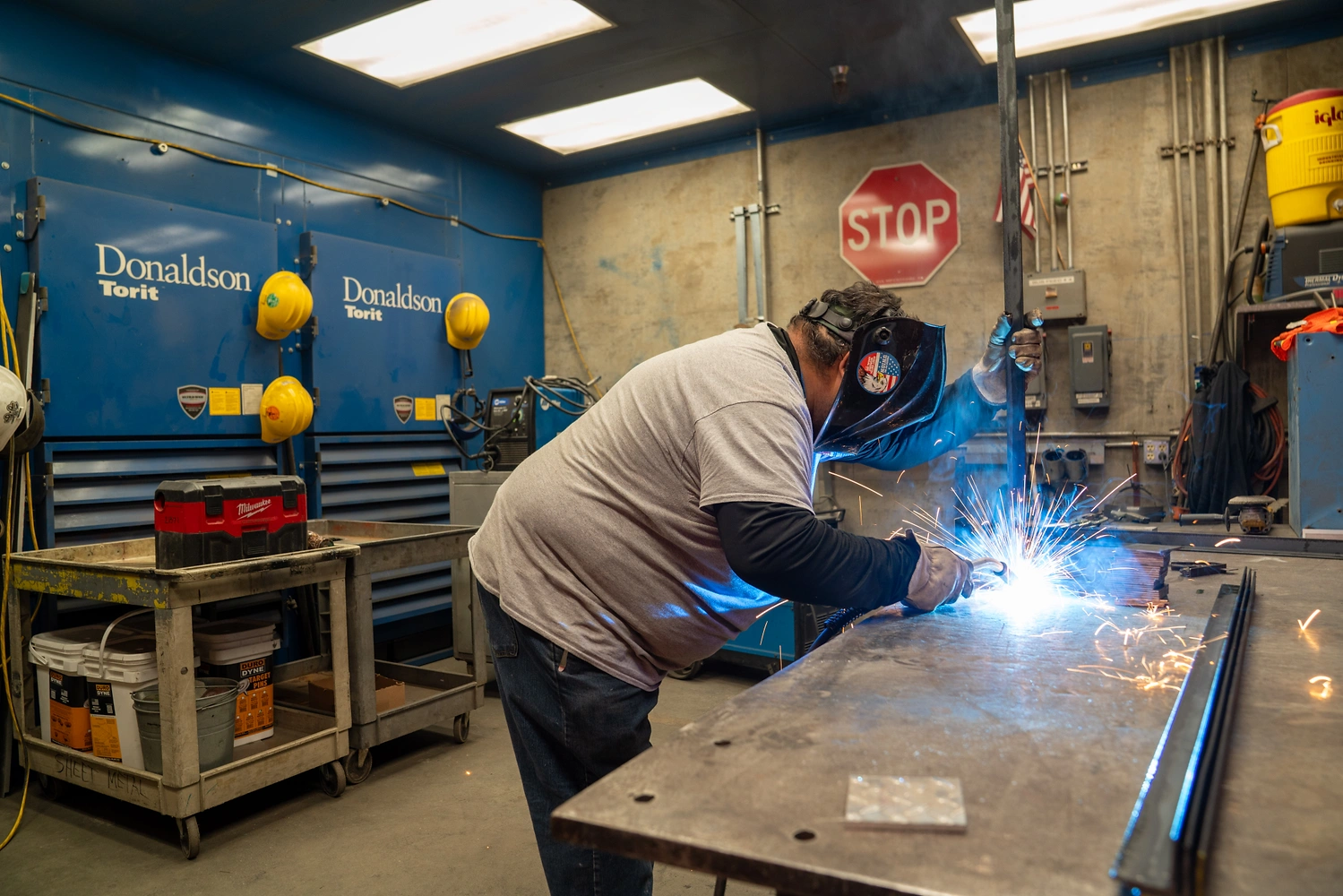
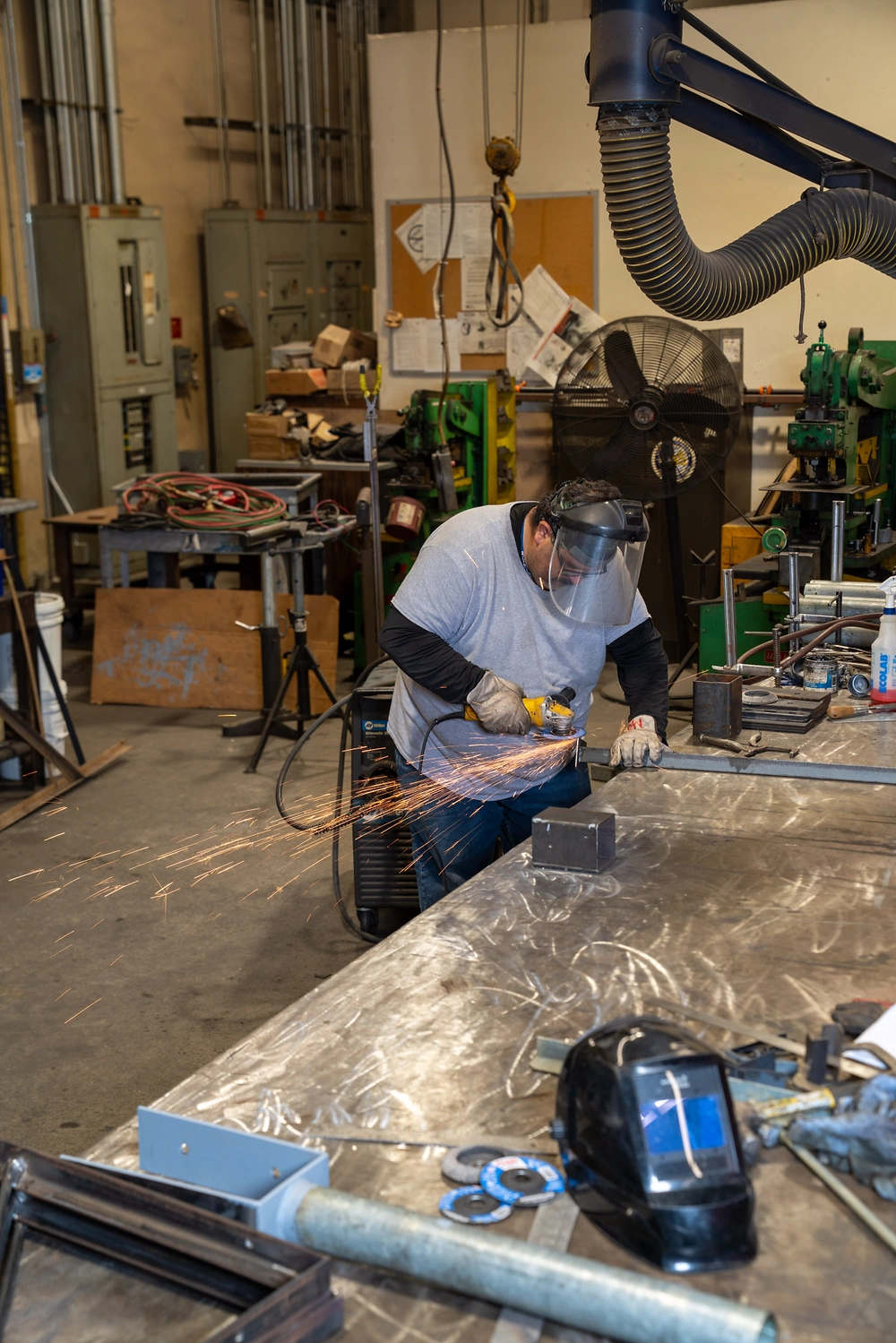
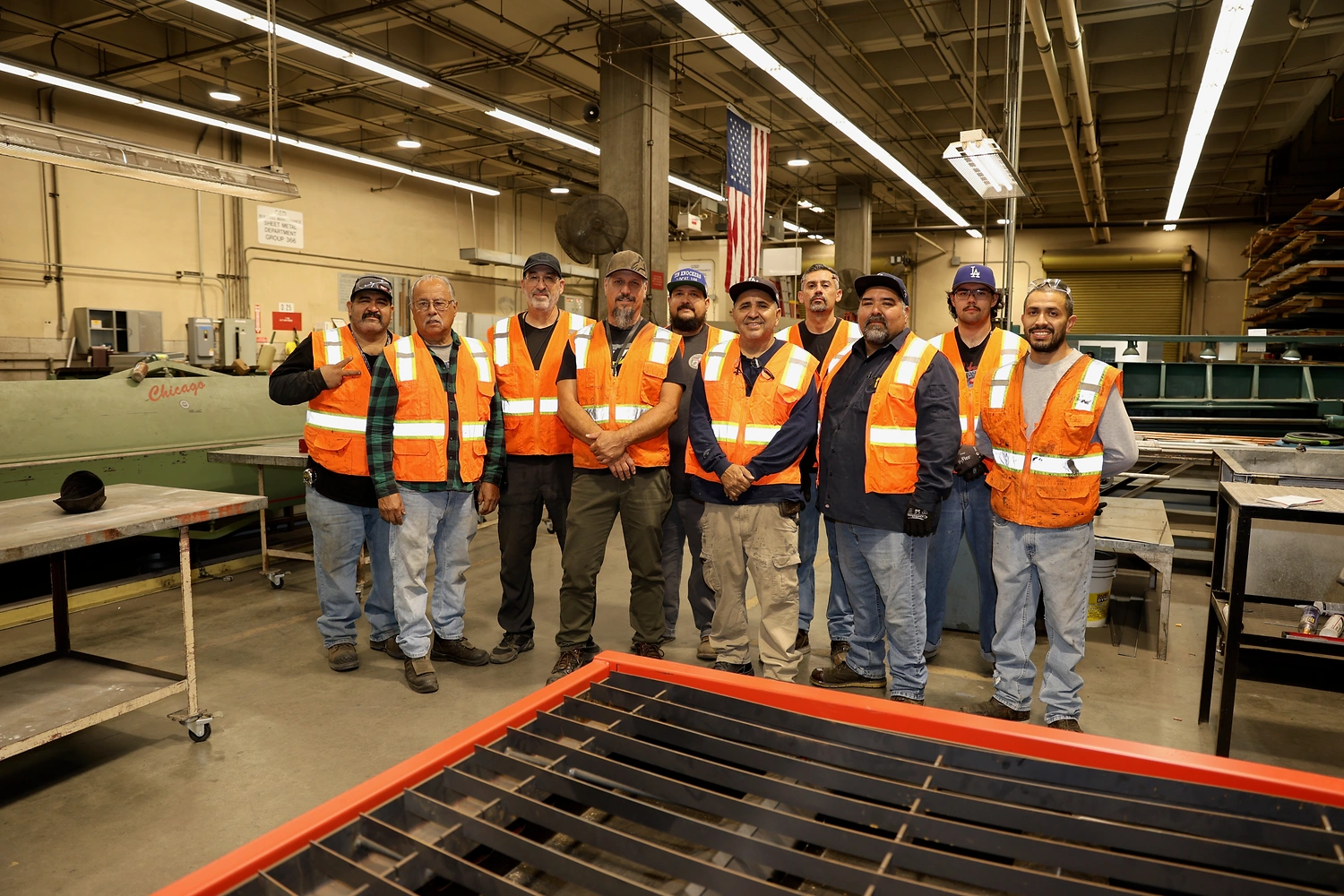
The group, based in C. Edward Piper Technical Center, includes a variety of old-school tools and machines, complemented with the addition of a long-time-coming plasma cutter that promises to reduce time and cut costs dramatically for appropriate projects. Gear includes a welder, an angle cutter, a spot welder, bending machines, shearing/cutting machines, a brake machine and the aforementioned plasma cutter, still being set up.
Current and recent projects include the Madrid, Vision and Warner Grand Theaters; City Hall; decarbonizing work at several library branches; the Ziegler Estate; LADOT traffic controlling data processing hubs throughout the City; the UNESCO-recognized Hollyhock House; the Emergency Operations Center; the extensive external fencing around City Hall East; various data centers; the LA Zoo; the Public Works building; ABH (A Bridge Home) homeless shelters; Fire Station 39; the Boyle Heights City Hall; and many others.
Construction Forces: The Internal Contractor
General Services’ Construction Forces teams are unique in City government: they operate as internal contractors. The unit is sustained by bidding on and fulfilling competitive contracts from other City departments needing construction work done. They depend upon these funded internal projects for their income.
For most projects, the Sheet Metal Group uses plans supplied by Public Works’ Bureau of Engineering.
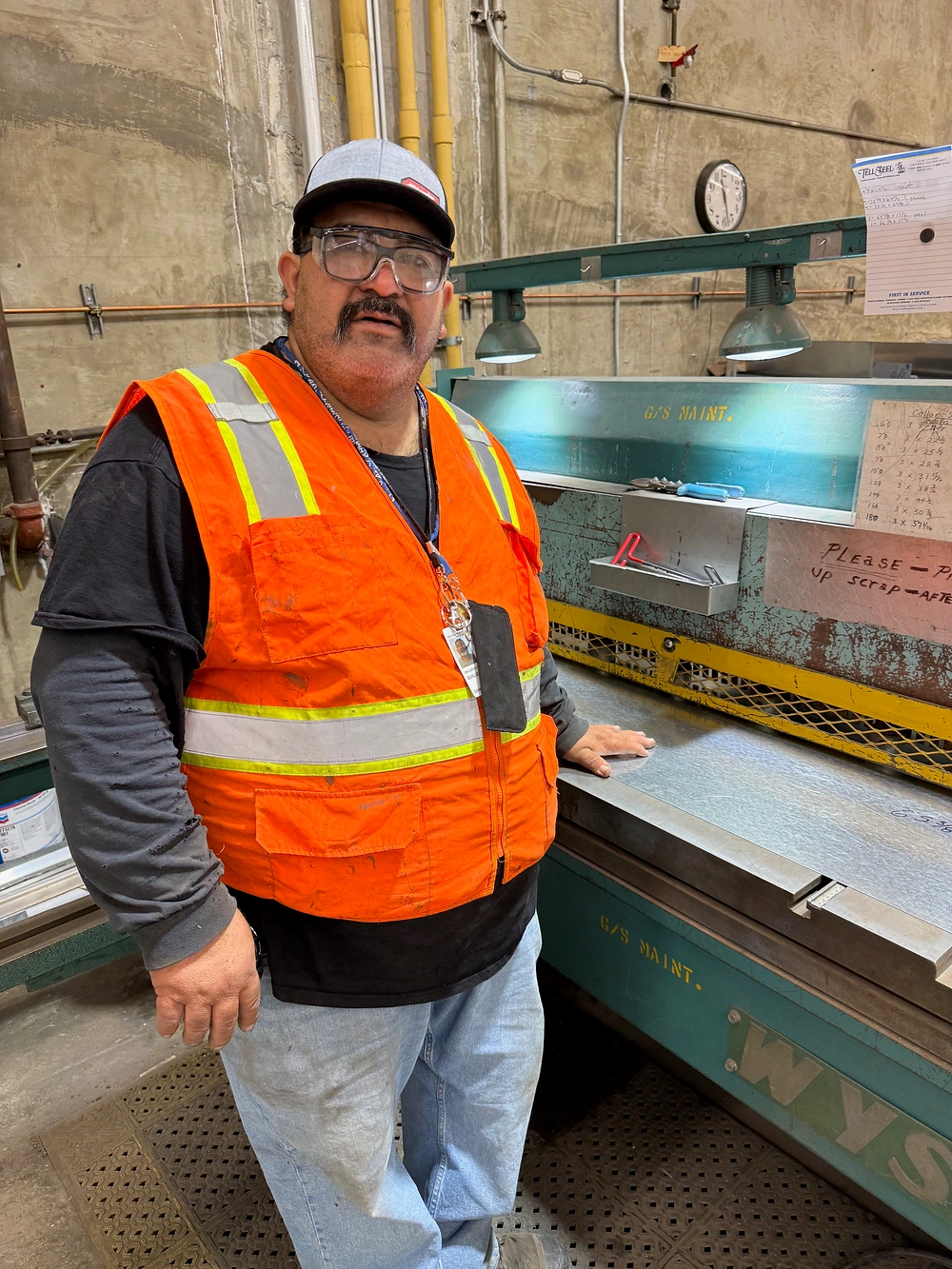
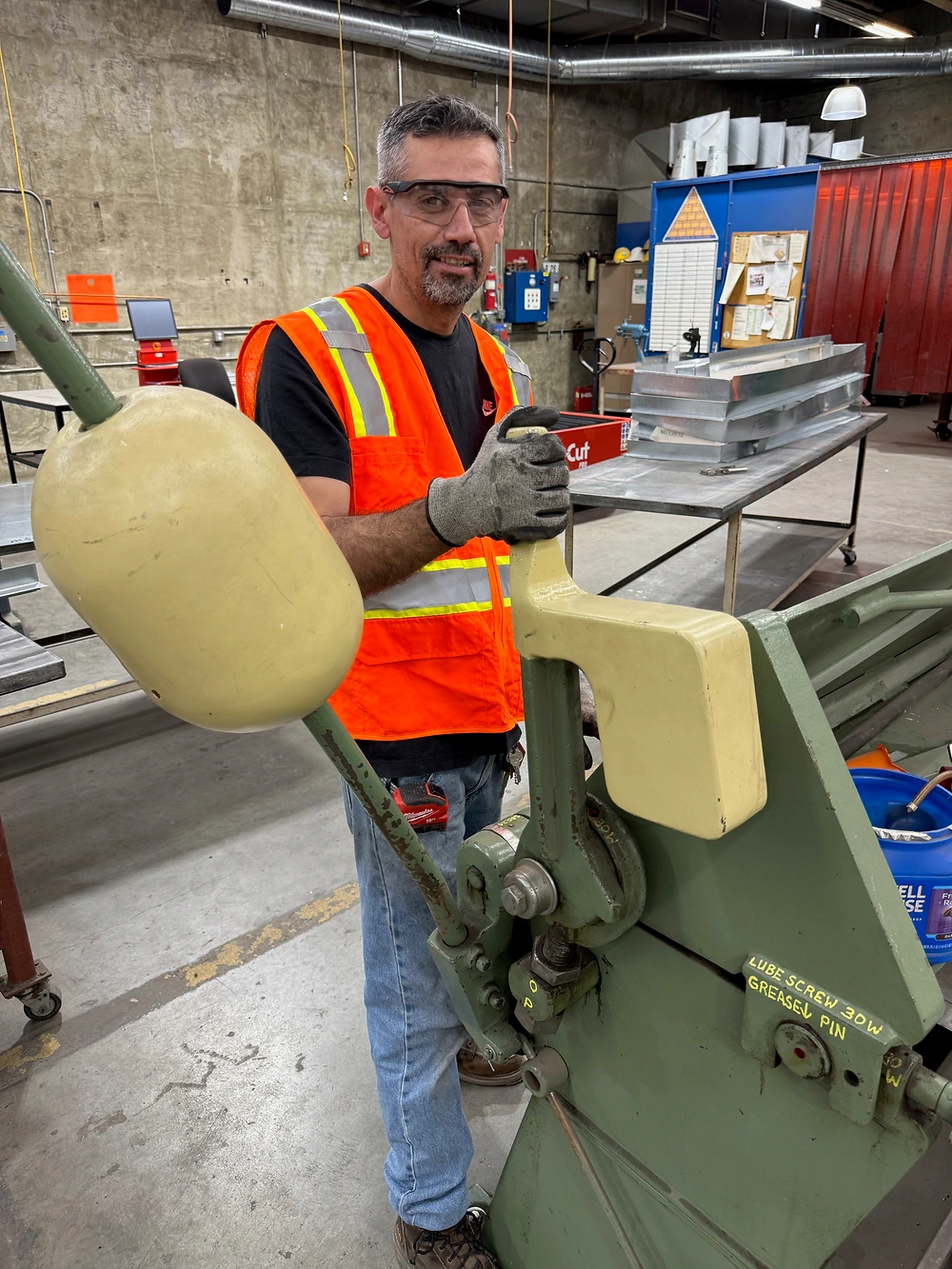
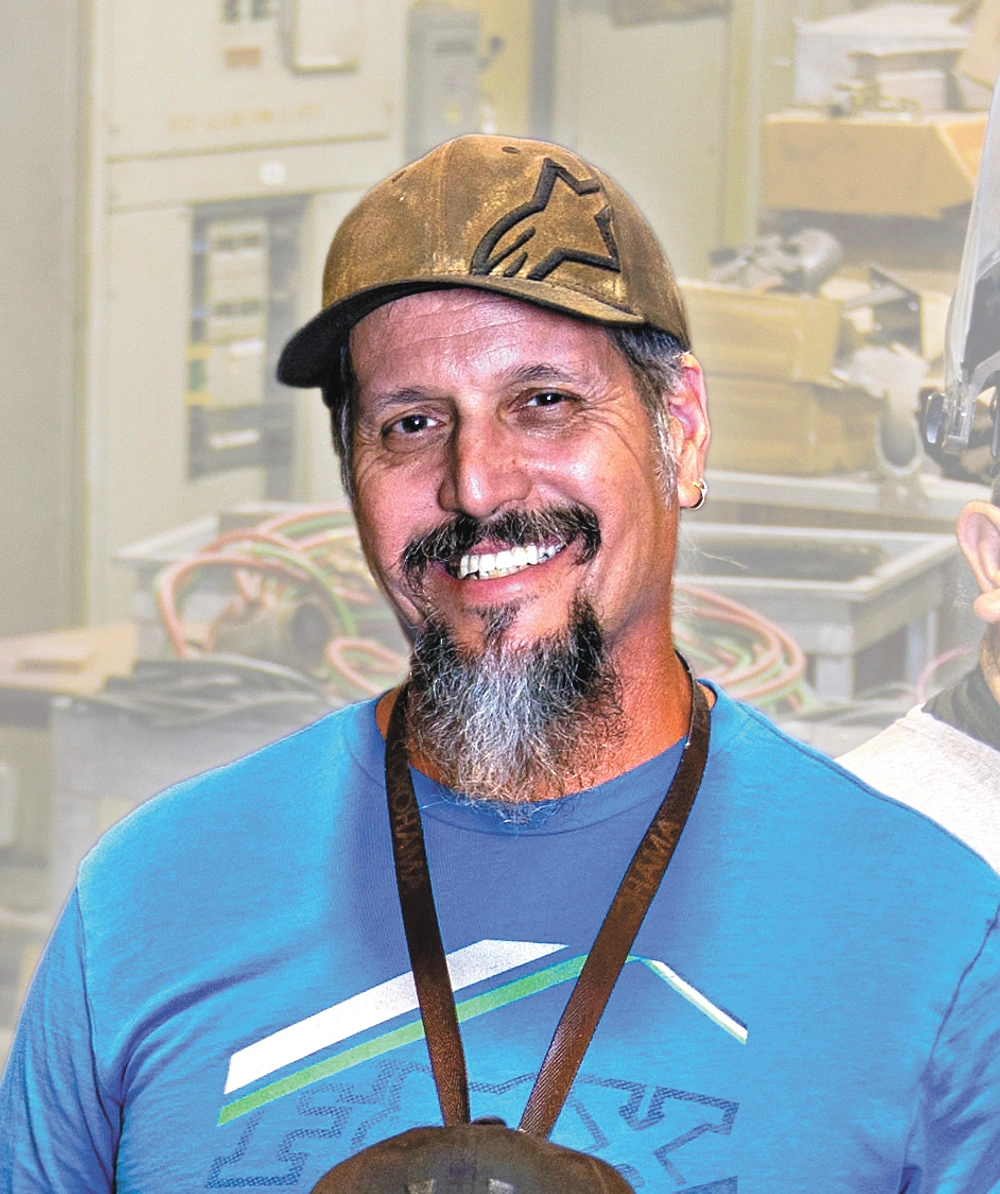
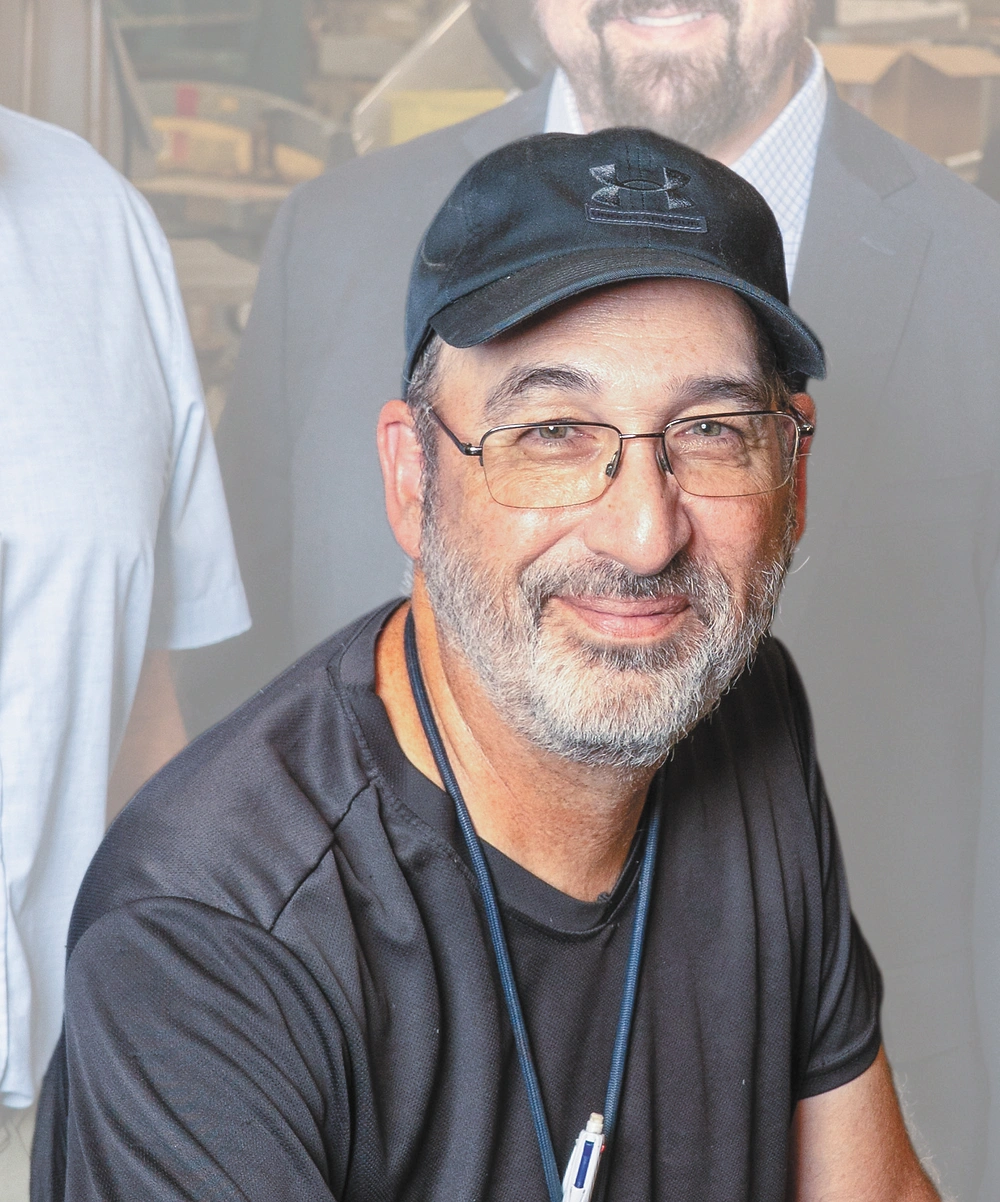
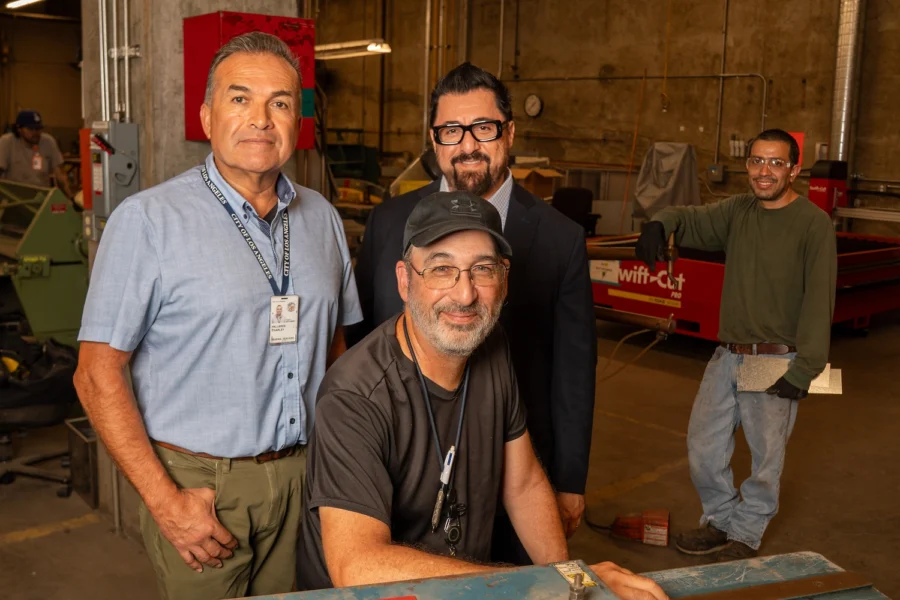
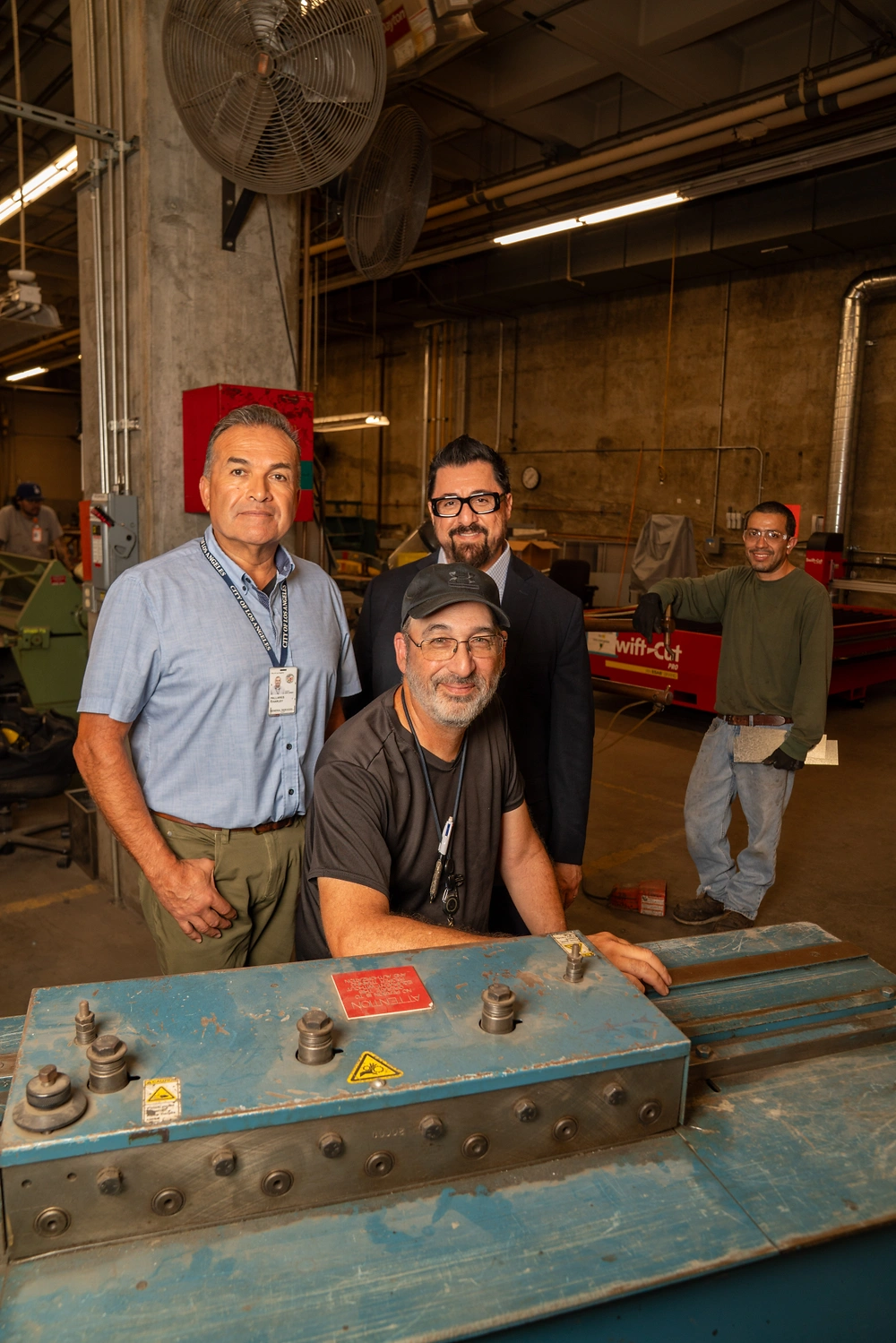
The Club thanks Construction Forces’ Charley Pallares and Ken Tafoya; and Don Ness, who hosted us in viewing some of the Group’s important projects. All three are Club Members.
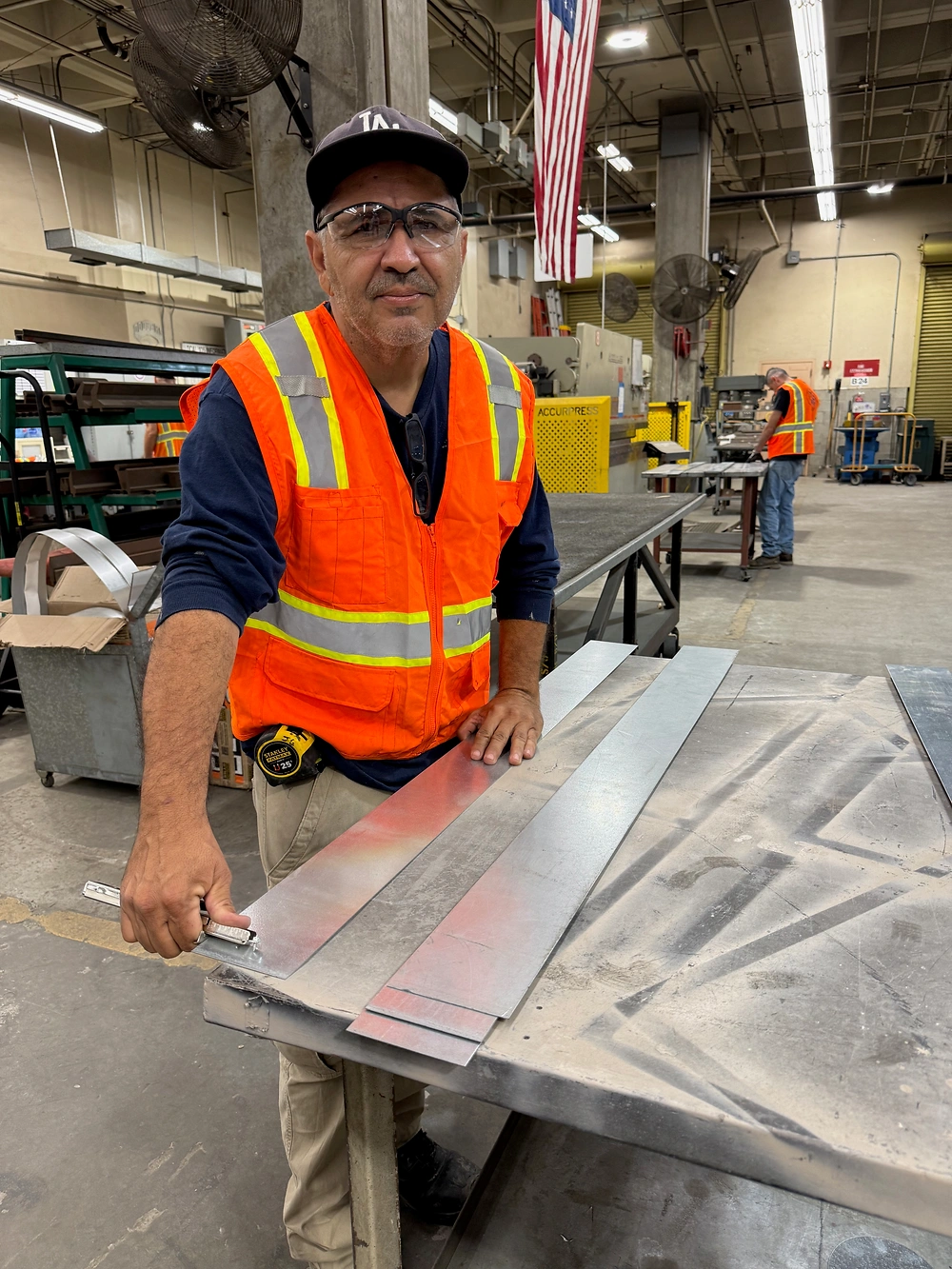
On Aug. 27, Club CEO Robert Larios and Alive! editor John Burnes interviewed three from the General Services Construction Forces’ Sheet Metal Group. They are: Charley Pallares, General Building Superintendent, Construction Forces Division, 27 years of City service, Club Member; Ken Tafoya, Sheet Metal Supervisor, 32 years of City service (including five years at the LA Zoo); and Don Ness, Sheet Metal Lead Foreman, 22 years, Club Member.
The interview took place via Zoom.
Alive!: Good morning, gentlemen.
Don Ness: Good morning! We’re going to be in Alive!
Yes. Thank you for being a Club Member.
Don: I can show my wife that I actually do something!
We will vouch for you! Let’s start with your career – how did you get to your current position at General Services’ Construction Forces?
Ken Tafoya: I’ve been with Construction Forces for about 27 years and about five and a half years with the Zoo as an exempt before that. That was before the Zoo actually became a department. It was under Rec and Park at the time.
Right.
Don: This is my 22nd year. I worked on the outside before and came up through the ranks. My stepfather dragged me into the trade when I was right out of high school. I’ve been doing it most of my life.
And Charley, we met you when we did our first “Builders” story in July.
Charley Pallares: Right. I started with the City of Los Angeles back in 2000. My first appointment was at the LA Zoo as a Carpenter. Then I transferred to the LAFD as a Carpenter, and then I was promoted back to Airports as a Sr. Carpenter, then back to the LAFD as a Sr. Carpenter. I made Building Inspector for a short time, then back to the LA Zoo as a Sr. Carpenter, and then over here to General Services as a Construction Maintenance Supervisor and then to Superintendent. About four years ago, I was promoted to General Superintendent here. I’m in charge of the daily construction operations for Construction Forces Division.
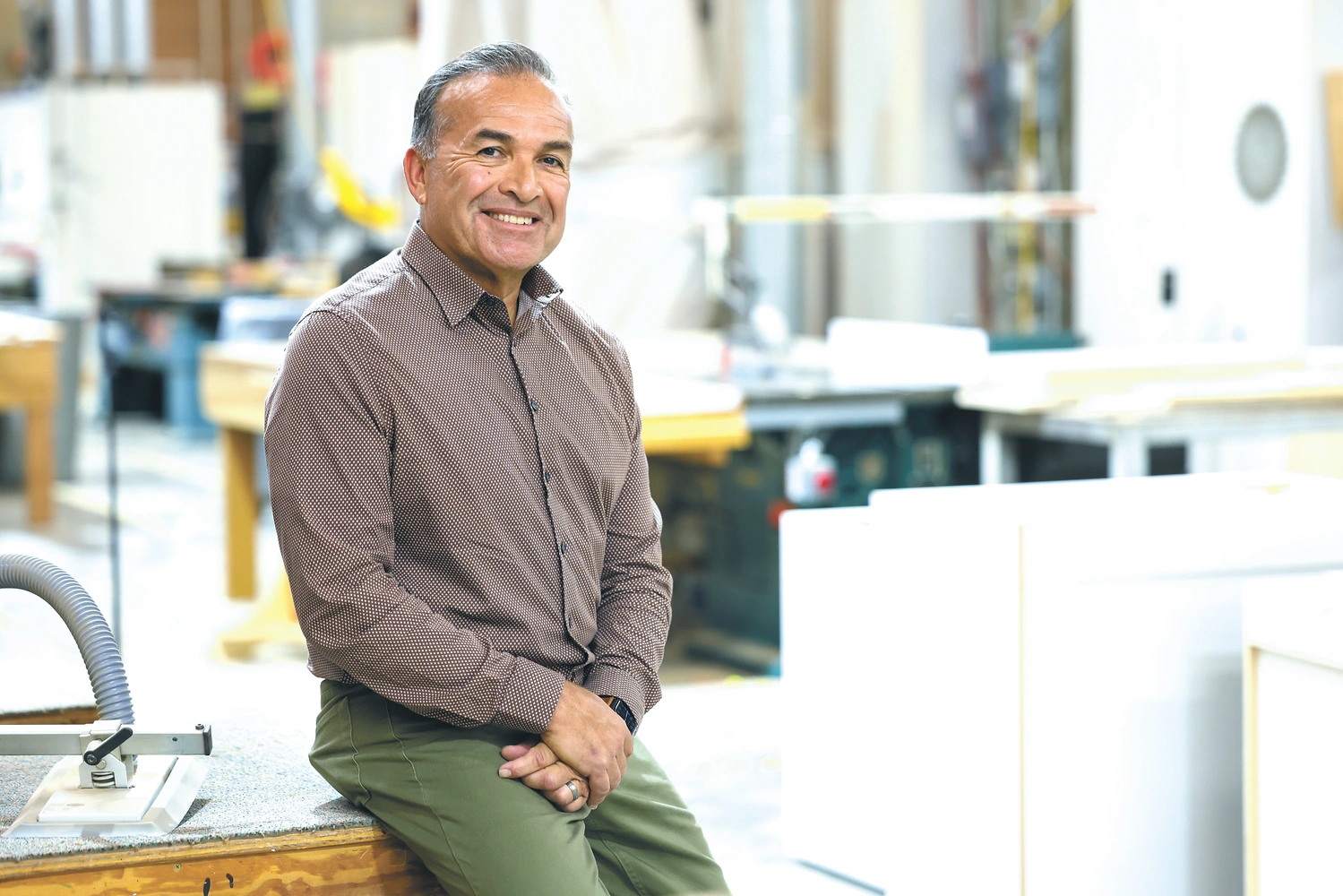
You’re over the whole Construction Forces Division?
Charley: Daily operations. [Robert Gerhardstein is the Director of Construction Forces.]
Very good. Were you a carpenter before your City career?
Charley: Oh, yes. I started my carpentry career when I was 17 years old out of high school. I started my apprenticeship with the union. I first served as a cabinetmaker’s apprentice and then did a carpenter’s apprenticeship with Local 630. That’s a four-year apprenticeship. It took me five years. I continued working as a journeyman carpenter through the union, and I earned my general contractor’s license. I worked as a general contractor to support my family before coming to the City in 2000.
Ken: I worked for the Zoo too – or Rec and Parks at the time – for about five and a half years, doing general sheet metal work. Then I took the test and joined Construction Forces as a regular Sheet Metal Worker. After about six years I became a Supervisor.
Don: As I said, I started off with my stepdad’s company at about 15, and by the time I was 17, I was working full time. I was fortunate to learn more than just sheet metal. I also got to learn HVAC [heating, ventilation and air conditioning] and took a lot of electrical classes. So besides doing sheet metal, I’m also kind of our AC mechanic because we deal with a lot of HVAC projects. Eventually I found my way into the union and then to the City as a journeyman for about three or four years. Then they needed some help running some work. Because of my background, I fell into helping run projects.
I will pay you a million dollars this afternoon if you can install air conditioning in our residence right now [because of the August heat wave]!
Don: I’m pretty popular this time of year.
Charley: Ken and I were both at the LA Zoo at different times throughout our careers.
Right.
Charley: We know a lot of the same people there and had a lot of the same experiences.
Metal Mettle
Give us an overview of the Sheet Metal Group.
Ken: Sure. We’re actually a sheet metal group, because the shop is only probably a quarter of what we actually do. As a sheet metal group, we have about 10 people, including myself. The crew is composed of individuals who have specialties in different areas of sheet metal. We have a heavy metal fabrication guy, we have a stainless steel guy, we have a couple of guys who do field install, and we have an LA City certified welder and a refrigeration piping specialist. The crew is composed that way so they can cross-train – everybody becomes very well-rounded.
Some of the hot projects we have right now are restoring the Madrid Theatre and the Warner Grand Theatre. But generally we have seven or eight projects we’re working on at this particular time.
Don: And that will vary. Usually we have two to three pretty good-sized projects at any given time. And then we have a lot of little projects and a lot of little stuff. People come to us all the time because we also run the weld shop. People are constantly coming to us for brackets – electricians come to us for brackets for lighting and fabricating different handrails and panels for electrical panels.
Ken: We help with pretty much whatever they need.
I used the word “shop” very generally. What’s the difference between a sheet metal shop and a sheet metal group?
Ken: We have specialties within the group; the shop, where we fabricate things, is one of them. For example, we have our field group. When we get a set of plans, let’s say for HVAC, we determine whether we’re going to make the duct or buy it, depending on the cost or sometimes the constraints that we need to conform to. Our field guys do the measuring and figure out exactly the path we’re going to use.
By “path,” you mean the actual inches or feet or turns or curves, et cetera.
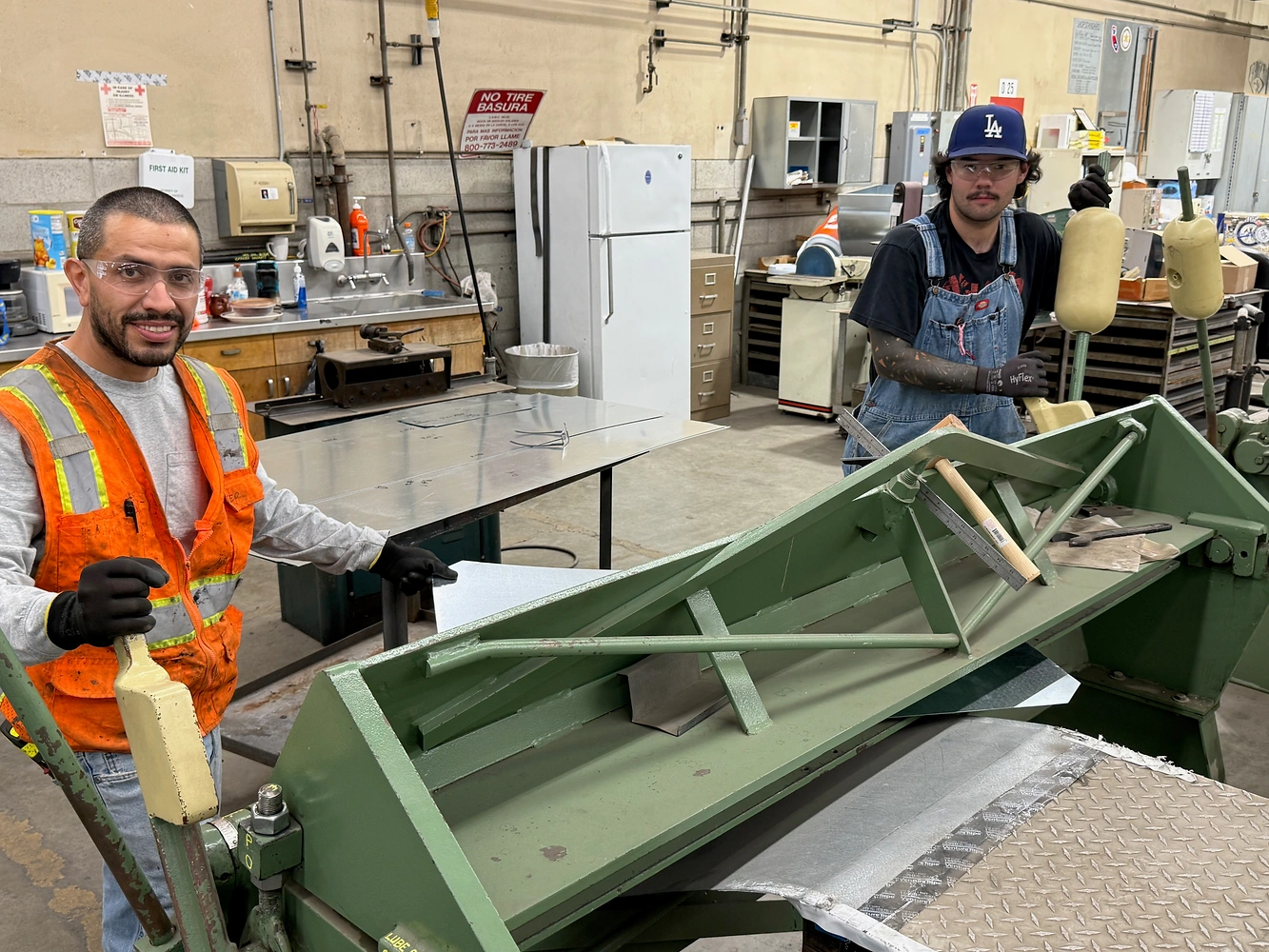
Ken: Yes. The shop takes flat sheets of metal to create whatever they have designed. We have different machines that have various functions like cutting, breaking, locks and seams. In the end, the shop guys put everything together.
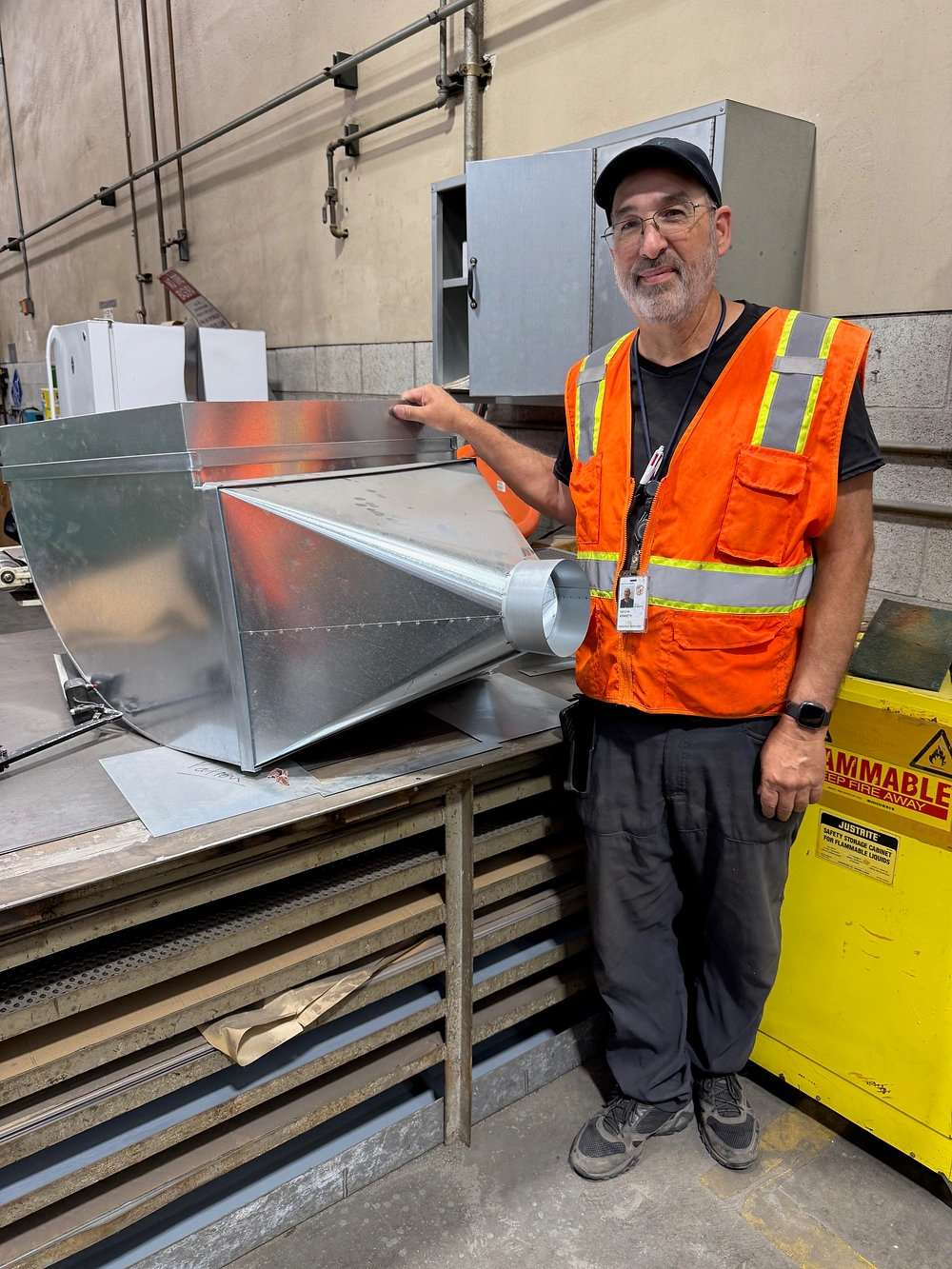
Don: We make everything out of flat metal and then form it into fittings. For example, HVAC ducting to fit the exact placement. We have to make the fittings such as the elbows, the Ys where they split off and so forth. The basic elements are made in the shop, but we can create a bunch of fittings in the field after that.
Ken: The mechanical plans that we get give us a general idea of what we’re going to execute. All of those plans are generally conceptual, so it’s up to us to make it work. We have to take actual field measurements. We have a lot of specialties in the group that can do whatever we need to do to make it work within the design itself. We have a lot of fluidity.
Do those plans come from the Bureau of Engineering?
Ken: Yes. We work with the Bureau of Engineering a lot. Some come from outside contractors, depending on the job. Sometimes the Bureau of Engineering will sub the plans out. So then we’ll work with mechanical engineers. But most of the time, the plans are conceptual at that point. We might have to change a ducting size because it requires a certain static pressure. It’s up to us to change the ducting size. It often requires a little bit of engineering on our part.
I would imagine you have to know the law and regulations for what you’re building.
Don: Yes, everything we do has to be up to mechanical SMACNA [Sheet Metal and Air
Conditioning Contractors’ National Association] – a mechanical code. In California, we deal a lot with Title 24 [the state’s comprehensive standards code], which contains certain criteria for HVAC systems. For everything we do here at the City, we always pull permits with Building and Safety, and everything is inspected. We do everything up to the California Mechanical Code.
Projects
What’s the biggest project you’ve done?
Ken: City Hall.
Don: I guess City Hall. In 2009, I did the Emergency Operations Center. We installed a specialty one-off custom-made HVAC unit for the City for the EOC – one air conditioning unit that’s essentially two units because everything at the Emergency Operations Center has to have a backup, in case something goes wrong. It’s critical. This custom system has two control panels, two supply fans, two condensers – two everything.
Ken: The biggest one I’ve done is City Hall back in 2000. We did custom ductwork from the fourth floor up, and some on the first and second floor. I had 27 sheet metal workers working just on that building.
Was that with Project Restore?
Ken: Yes. After they put the springs underneath the building, we did the ducts from the fourth floor up.
Don: Ken also did the Public Works building on Broadway, when we renovated it. That’s when I came stumbling in here.
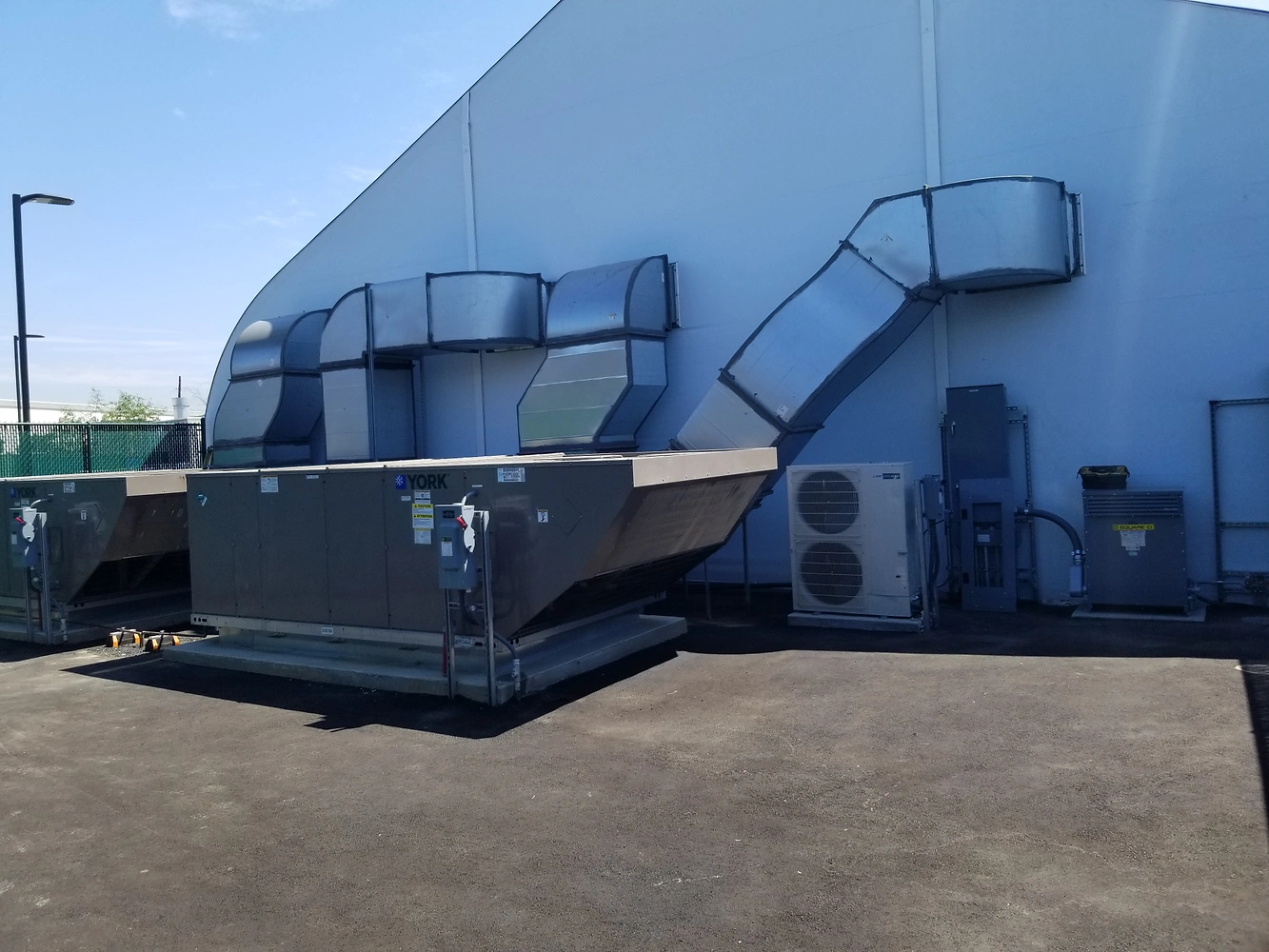
Charley: When I came to General Services back in 2018, we were building the homeless shelters, the ABHs [A Bridge Home]. I was so impressed with what these guys were doing. Those were tent structures in the vanguard; the Bureau of Engineering came up with the design. But when it came to the air conditioning units, these guys had to bring in these multi-ton units.
When Don and Ken say that they get plans, yes, they’re conceptuals. They’re a plan, but they don’t really detail the work that these guys have to do from that HVAC unit into the building. And it’s not just the detail work of creating the duct, of making all these crazy wild turns with the ductwork to get it in. On one of them, you guys had to fit it around the fire supply, the fire risers. They’ll go out into the field and take their measurements to measure the air that’s going through, and all these crazy turns. Then they come back to the shop, and build it. I’ve learned so much from these guys.
The other thing is fire safety – the fire alarm has to be embedded in there as well somewhere and somehow. So there’s a lot.
And there are so many projects Citywide they’re involved in. Over in Van Nuys, at old Fire Station 39, the first command center for the Valley – you guys put the units on top of it. The team had to get cranes out and communicate with Fire staff on site. And then you guys have been doing the Title 24 work for all the libraries, for the decarbonization program?
Don: Yes, that’s correct.
Charley: That’s super amazing. When they say they’re in the shop, they’ll take literally a flat sheet of sheet metal, whatever the thickness is, lay it out, make their bends, cut it, and the next thing you know, you have either a duct, a box, or something custom that can be used somewhere for what the project needs and conforms to fire codes and Building and Safety codes. That’s impressive. This stuff is amazing. It’s not just the sheet metal, it’s the stainless steel or brackets that other departments can’t buy off the shelf. These guys will fabricate it.
What are you working on now?
Don: We have a couple of hot ones. The big one that just came to us recently is [the restoration of] the Warner Grand Theatre. We’re just getting off the ground with that and seeing what needs to be done. We’re working on the Ben Franklin Library, replacing all the ductwork there. We’re working on the Madrid Theatre in Canoga Park. As Charley mentioned, we’re working on Fire Station 39. We’re finishing up the building management control system. We’re also working on Ziegler House, a historic house off of Figueroa. We’re putting new HVAC systems in there right now.
Ken: We’re doing some projects at the Zoo.
Don: Besides all that, we also do all the HVAC maintenance for all the Dept. of Transportation traffic control hubs. Those are the little shed buildings with servers in them, and they have to have HVAC systems in there to keep those servers cold.
How many are there?
Don: We are servicing about 40 of them.
Are you doing anything with the new Convention Center expansion?
Don: Not at this time.
Did you have anything to do with the Vision Theater that just opened?
Don: Yes, we worked on some of the existing HVAC systems.
Charley: It goes back to what you mentioned in the last interviews. If you want to know what’s going on in the City, ask Construction Forces. These guys have touched pretty much every building in the City at some point in their careers.
Stainless Steel
Talk about the stainless side of things.
Ken: Yes, our Stainless Steel Group.
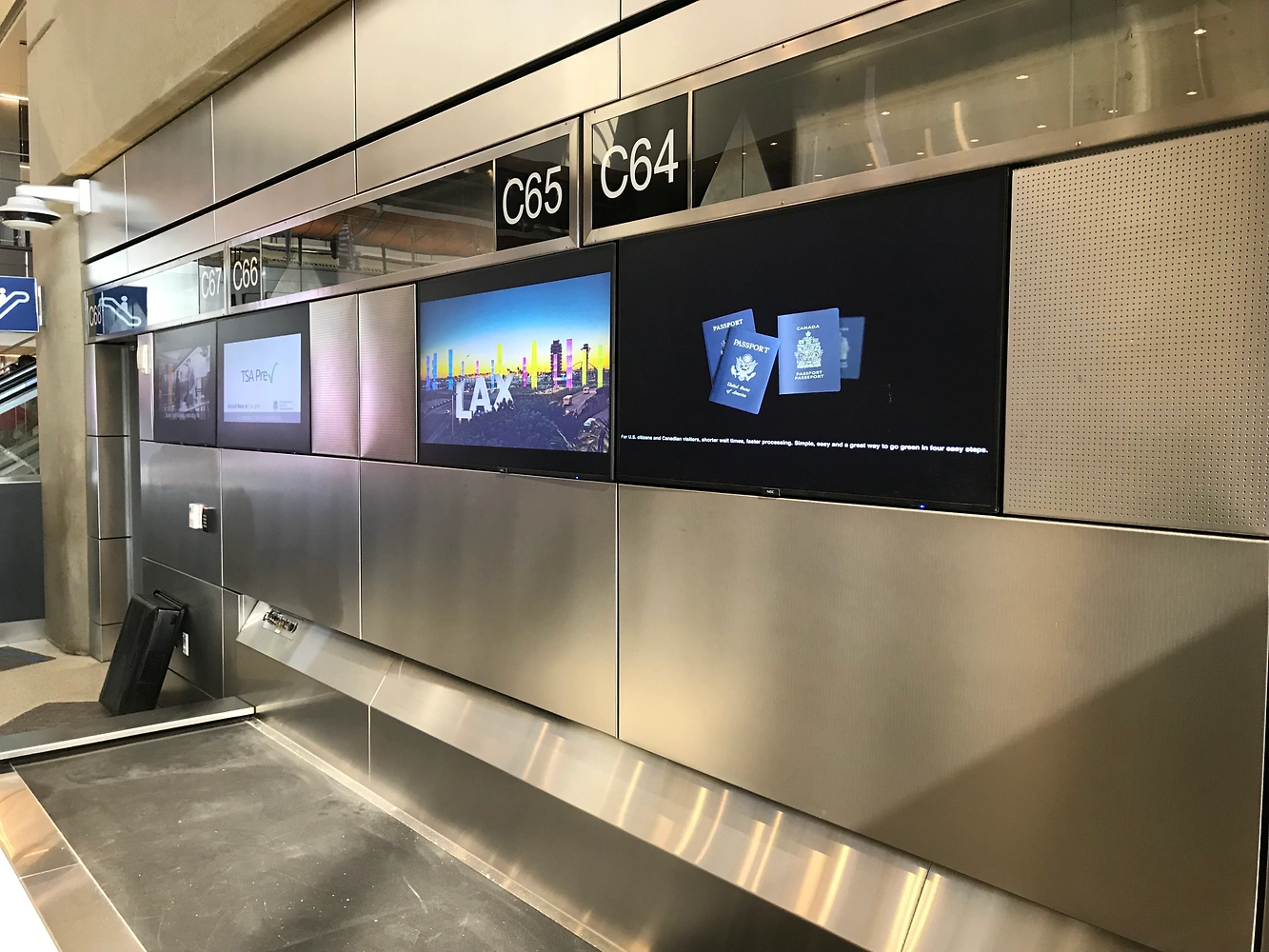
Don: We did some of the ticket counters at the Bradley Terminal at LAX and matched what was there. We had to order specialized stainless steel from Europe to match what was there. LAX specified it.
Ken: We had to get the material from Europe, which took a couple months.
Don: Exactly.
Ken: The kiosks that we built are right there in the open. You can go right into the terminal and they’re right there.
Ken: Our Stainless Steel Group makes us very unique. We have done countertops and sinks and bi-doors, mostly for the Fire and Police Departments, but we also do custom sinks. The Fire Dept. always wants their sinks a little bit deeper, so we fabricate those here.
What makes it a little more unique is that the tolerances in stainless steel are a lot tighter than our typical sheet metal. We used to have a guy here who would do all our polishing and finishing. One day he told me he was going to retire, and I told him, “You can’t retire until you find me somebody else.” So he found me somebody else before he retired. That capability makes us unique. We can fabricate a countertop with a sink integrated all in one piece, and then polish and finish when it’s all done.
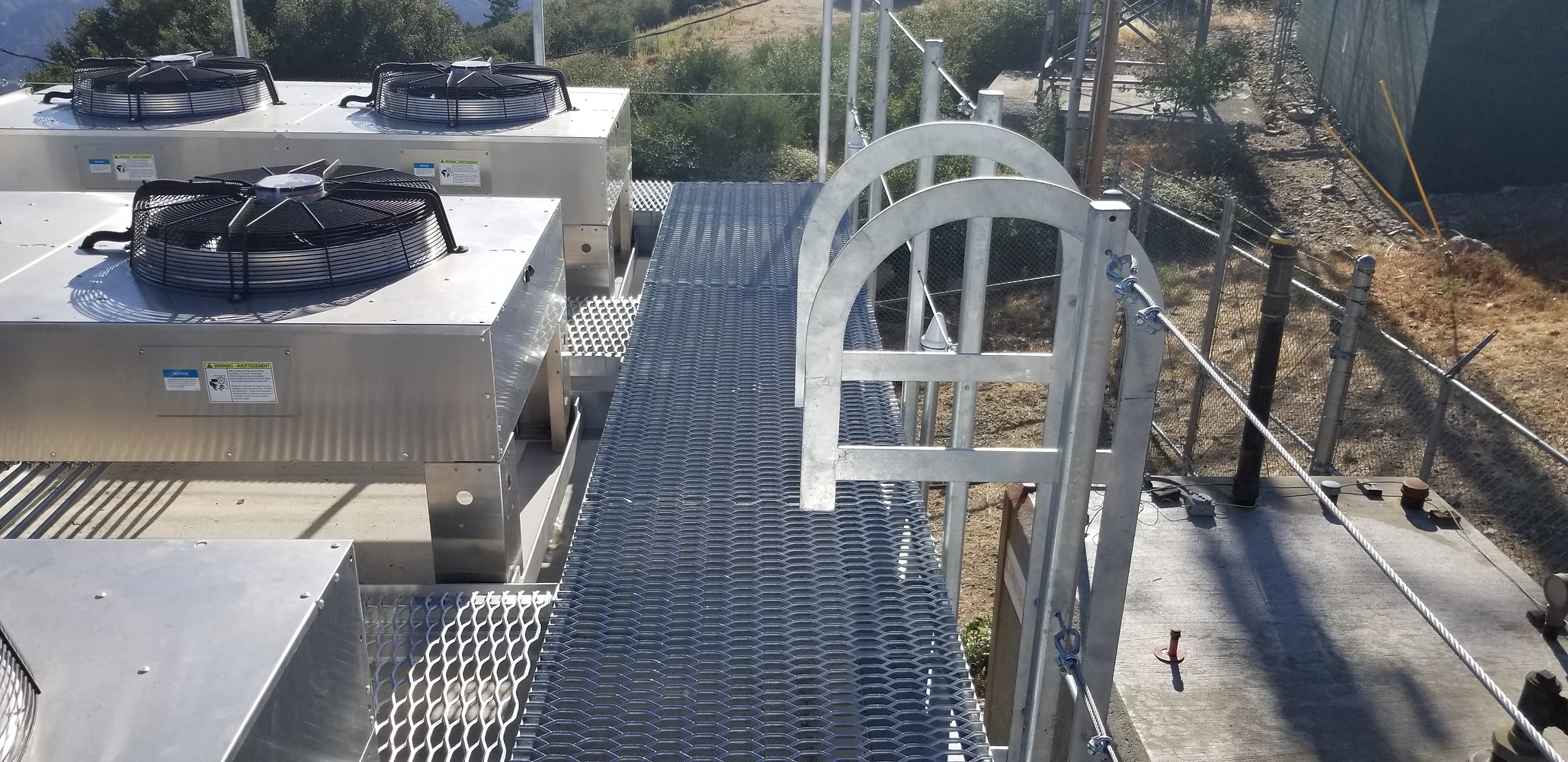
One other project I wanted to mention: The ITA sites, the emergency operations. The sites are for emergency services communications. They’re located on different mountaintops throughout the City. We put new air conditioning systems in them. We set a new standard on how to do them. My favorite one was our first one, Mount Lukens.
Don: At the top of Angeles Crest.
Ken: ITA came to us and said they had received an outside bid for the work. The bid was something like $960,000 to put a system up there that would cool this room. Don and I talked about it. We had already installed specialized AC units for computer rooms on a different project. ITA ended up giving us this site. We had to helicopter these units in because we couldn’t take them up the narrow and bumpy road. The trip would damage the units.
Don: Instead of just putting one or two units in there, we put five units, added 50 tons of air with redundancy and remote communication so that building maintenance could see what the units were doing from their office computer. That way they wouldn’t have to take the seven-mile trek up a treacherous road in the middle of the night to try to keep LAPD and LAFD’s communications going. It was a big deal and we were very proud of it.
Ken: That was our first one and our cost came in right around $600,000, so we saved them about $250,000 to $300,000 by doing that project.
That’s $250,000 of taxpayer money used smartly, safely and effectively.
Ken: Right.
Customization
Do you produce custom work more than repetitive products over and over again?
Ken: It’s way more custom. Occasionally we get orders for repetitive items, but it’s more like little brackets for building maintenance or anchoring cabinets to a wall. They come to us more for specialty items that they can’t find somewhere else.
Don: Sometimes lead times are a factor because our projects need to be kept on a schedule. A lot of times, they could go buy a bracket, but if we can make it faster and cheaper for them and keep the project on schedule, then that’s what we do.
Tell me about your cutting equipment and machines.
Ken: That’s one of the things that’s actually pretty exciting. Just yesterday we got our plasma cutting machine!
Yesterday?
Ken: Yes.
Don: We’re moving into the future. Everyone – all the new guys – are trained on these tables that we have now. They come here trained for AutoCAD. We’re catching up to them.
Congratulations on the new gear.
Don: It’s really going to excel our capabilities and make us much more efficient. We’re really excited.
Ken: It’s going to reduce our labor time on our fabrication by 30 percent to 40 percent probably, which is quite a bit on some of the bigger jobs. I timed it – something that took me 35 minutes to lay out without it, this thing did in a minute and a half.
The City’s Contractors
You are the City’s in-house contractors where you have to find your own work and projects. What are the advantages and disadvantages of that?
Don: The beautiful thing is, on the outside, a lot of times everybody’s just out for themselves and just wants to get the job done. Often they don’t care if they step on everybody else’s toes. Here at Construction Forces with the Cabinet Shop, us, and the electrical and plumbing units, we work very closely. We all know each other, and we will go out of our way to help each other like a big family. We’re much closer to our coworkers in the other trades too than you would ever get on the outside. That’s one of the biggest things that I like about it.
Ken: One of the biggest advantages is working directly with the Bureau of Engineering’s mechanical engineers. I’ve had a long relationship with them. They all know us, and so when we say, “Hey, there’s a problem here,” a lot of times we can solve it over the phone and follow up with proper RFIs. It makes things go a lot easier.
As for the disadvantages, Don and I are optimistic, and we don’t like to think of the disadvantages. We concentrate on what we have to do and work our way through it. We deal with the cards that we get.
Don: We’re always looking for solutions rather than dwelling on the negatives.
Motivation
What keeps you going? Is it pride, stubbornness, the love of the puzzle, or something else?
Ken: I am a sucker for a challenge. I like puzzles. I like to figure things out, and that’s why I like what I do – it’s a big puzzle to me. I know Don can testify to this. On some things Don might say, “I don’t want to get into this.” I say, “Let me look at it.” We’ve taken on some projects, that when we first looked at them, we said, “No, we’re not going to even attempt this.” And then it just gets me thinking. It’s like, okay, I want to do something that everybody else gives up on.
Don: The project that comes to my mind is Hollyhock House in Hollywood. We had put a heating system in that building underneath that Frank Lloyd Wright house next to it. We did all the ducting and put heating in. Then a couple years later, they wanted AC added to it. But obviously, being a historical house, being a Frank Lloyd Wright house, they didn’t want to see condensers sitting outside. We finally found a location behind a wall where nobody could see them. But the problem was the refrigeration lines had to go a mile underneath the house on the other side. I’m telling Ken, “No way.” Ken says, “We can do it.”
Charley: When I bring a project to these guys or we talk about a new project with challenges, all I have to do is walk away. These guys got it. I have full confidence in them. You know they’re going to tough it out, they’re going to figure it out, and they’re going to complete it. And that’s great.
Ken: Most of our best work is hidden in the ceilings!
Charley: Have you guys noticed the fencing around City Hall East?
Ken: If you didn’t, that’s a good thing.
Yes, we have.
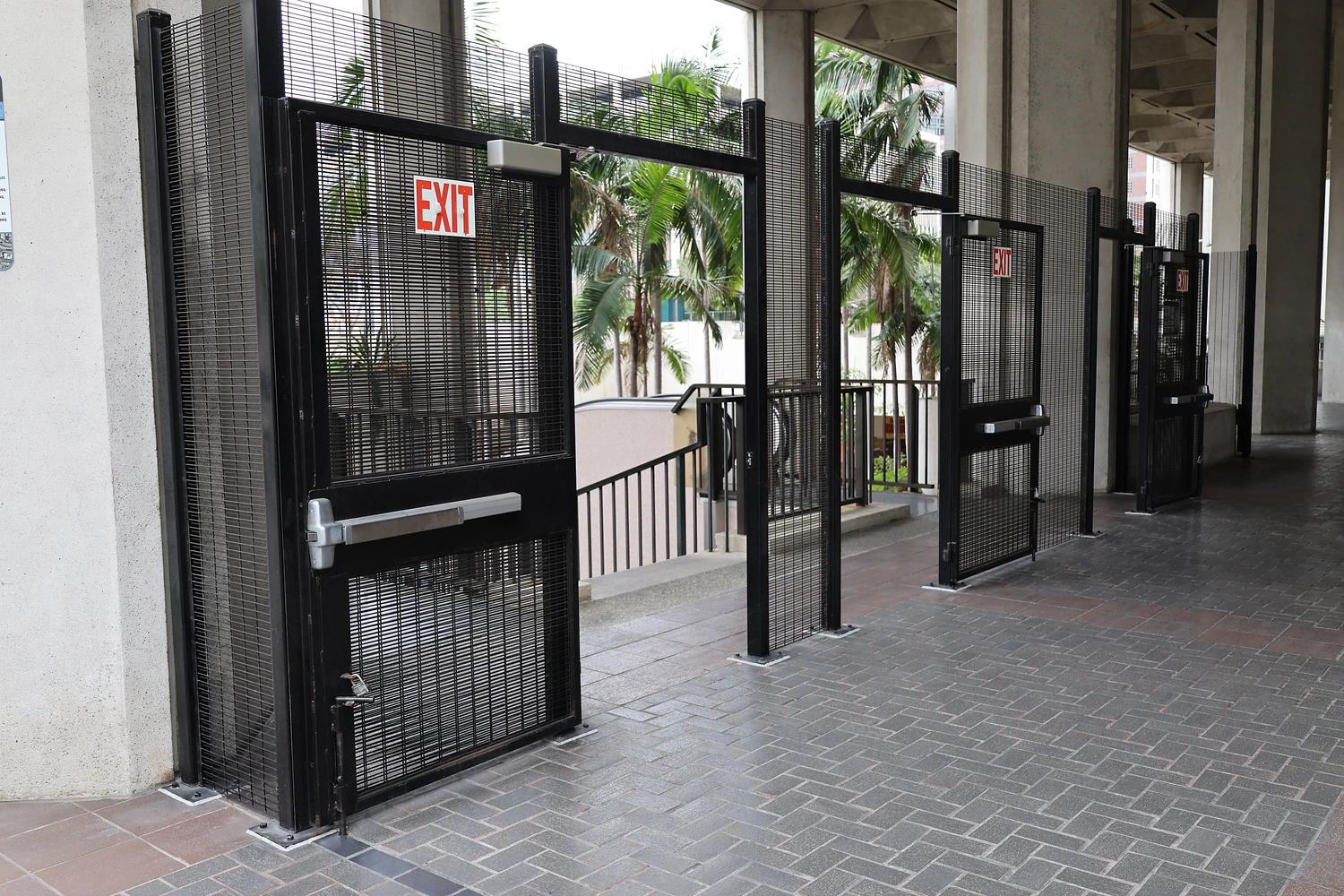
Charley: These guys designed it and built it. It wasn’t just for ADA compliance, it was what the LAPD required and then the Council offices, too, because they didn’t want it to look like a prison. These guys met the challenges and came up with some really nice fencing.
Ken: It’s called 4D fencing.
Don: It’s anti-climb.
Charley: And it blends in with the building. Don and Ken had to design rolling gates so that the LAPD could go in and lock it up in the evenings and then for the long weekends so that they had access. But in case of a shutdown [due to crowd control issues], the LAPD could close everything off in a hurry. There was a lot of communication with the LAPD and the Council offices as well, just getting the approvals. It’s pretty impressive.
Old and New
Is sheet metal work still a common thing, or is it fading? Are people jealous of you working with your hands and building things?
Don: I wouldn’t say jealous. Especially here at Construction Forces, all the trades work together. A lot of times I think they’re more grateful that we’re able to solve problems for them. A lot of times they’ll come to us when they can’t figure something out. We take great pride in being able to help them through and give them solutions. People are more grateful than anything, to be honest with you.
Ken: The part that might be dying is the actual hand layout, and that is due to technology. Technology should be used as a tool, but it should never take the place of actual skills and brain. Actual installation and working out the challenges, I think that’s very alive. I’m very nostalgic, coming up through learning to do everything by hand. I had an excellent teacher when I was an apprentice, and he always put a lot of emphasis on being excellent in what you do. I try and pass that on to my guys. But it’s a little disheartening when they always want to jump on YouTube or get their calculator out to do basic arithmetic. I had an instance with training one of my guys, and we were starting a unit. I said, “Here’s the manual. Look up the code it’s giving us.” I walked away and I came back, and he’s scrolling through YouTube trying to find out what the code meant. After about 20 minutes, he says, “Oh, here it is. I found it.” I tell him, “Well, good for you. Or you could have turned to page two in the manual and it’s right there.” They jump to the electronics right away rather than read the manual, which will give you direction right away. I see actual skill dying a little bit.
What would you tell a young person considering this trade today?
Don: If you’re mechanical, it is a great trade to get into. There’s a lot of potential to make a good living for your family. I highly recommend it for somebody who isn’t afraid of a work ethic. A lot of these younger kids these days seem to want to take shortcuts. But we still come across helpers and apprentices here who genuinely are inquisitive; they’re the perfect type of people for this. We love it because we don’t want to take all this knowledge with us. We want to pass it down.
Ken: Anyone who likes to be challenged and likes to overcome adversity and challenges, this is a very good thing. It’s very unique. When people react with gratitude for something we’ve done, it reminds us that this is a skill that’s very adaptive to a lot of different situations. Every project is different. That’s one of the things that I love about it. It’s a great way to make a living.
Do you ever hang out at Home Depot just to help people?
Ken: I have been known to do that when I’m in the HVAC section. If I see somebody picking something out that’s wrong, I’ll ask them, “What are you doing?!” And then point them in the right direction.
Don: Yes! One of my favorite sayings is, “What are you building?!”
I’m sure they’re grateful!
Challenge and Collaboration
What do you love about what you do?
Don: I love the fact that I get to do a wide variety of things all the time. Some days I’m estimating. Some days I’m in the field troubleshooting an HVAC unit, and some days we’re trying to fabricate a bracket for somebody or a handrail. It doesn’t get stale.
The other thing that I love about it is, as Ken said earlier, I love the challenge. The challenge is what keeps us going. There’s something about it that drives me to want to do more and want to learn more.
Ken: It’s the challenges of the different jobs and working with other trades, because we learn off other trades.
But also, it’s working with the guys. Our group is pretty tight-knit. I like to show that we can have fun, but we can still accomplish the work that we have. I learned a lot from the guy who trained me. I use a lot of what he taught me with humor, but still I have high expectations. I remind the guys on a daily basis that we get paid good money for what we do. Anybody can get paid a lot and still put out a poor product. We get paid well so we need to put out an excellent product. They really take that to heart.
Being a supervisor, technically, I don’t always need to go out in the field. I don’t necessarily need to be out in the shop. I do it to bring my experience to them. I show them a lot of different things, a lot of old ways to do things. Being able to pass down a lot of things that I’ve learned is one of the best things that I can do. There was a period of time when we were doing a lot of typical projects. I was getting a little bored with the same old thing over and over. So I said, what’s a different way I can do this and still accomplish the same thing? So we did something that nobody here that I know of had done before, but it took a lot of planning for a typical AC job. This particular job was going to cost us $15,000 a set for the two cranes we needed. That was $30,000 we would spend on this crane. I started thinking, I wonder if we could do it all in one shot. It took a lot of planning, but we ended up saving $15,000 because of the planning that we did on the crane set.
Don: At the time I thought he was completely crazy, but we actually pulled it off.
Ken: And we were done by 1 p.m.
What was that project?
Don: Boyle Heights City Hall, right across the street from Ben Franklin Library.
Ken and Don, thanks for your time and sharing your stories, and for all you do for the City. We celebrate you, we honor you, and we thank you for all that you’re doing.
Ken: We really appreciate that.
Don: I am an Employees Club Member and I read Alive! I show my wife all the time when I see someone I know. “Hey, I know this guy! Hey, I know that guy!” I absolutely love it. I appreciate what you guys do.
You’re welcome!
Don: Thanks, guys.
Charley: Thanks, fellas.